

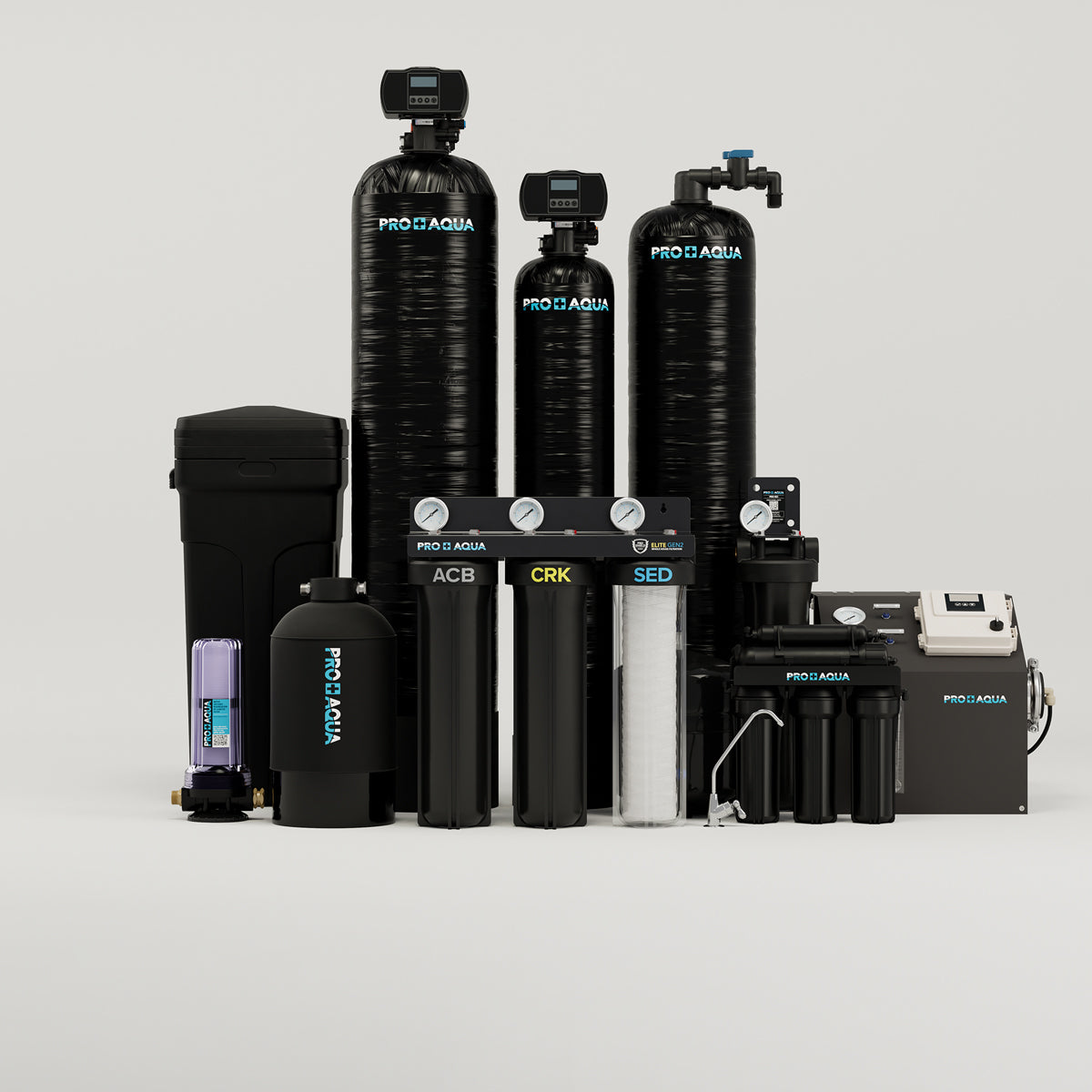

Are water filtration systems worth it? For most households, the answer comes down to comparing what filtration costs against what unfiltered water is already costing in appliance wear, bottled water purchases, or water that simply doesn't taste or feel the way it should.
The broader category of filtration systems for wells makes this calculation clearer for well owners specifically, since untreated well water tends to carry more contaminants than municipal water and the improvement after filtration is often dramatic rather than marginal.
What "Worth It" Actually Means
Value from a filtration system shows up in a few different places at once: water that tastes and smells better, fewer mineral deposits wearing down appliances, and less staining on fixtures.
In some cases, you could realize real health benefits from removing contaminants a municipal supply doesn't fully solve.
None of these show up on a single receipt the way a bottled water purchase does, which makes filtration harder to evaluate at a glance even when the payoff is real.
The clearest way to judge value is to look at what a household is dealing with right now.
A home with hard water scaling up a water heater, or a well producing iron stains and odor, sees a much faster and more obvious payoff than a home on clean municipal water with no complaints at all.
The Cost Side of the Equation
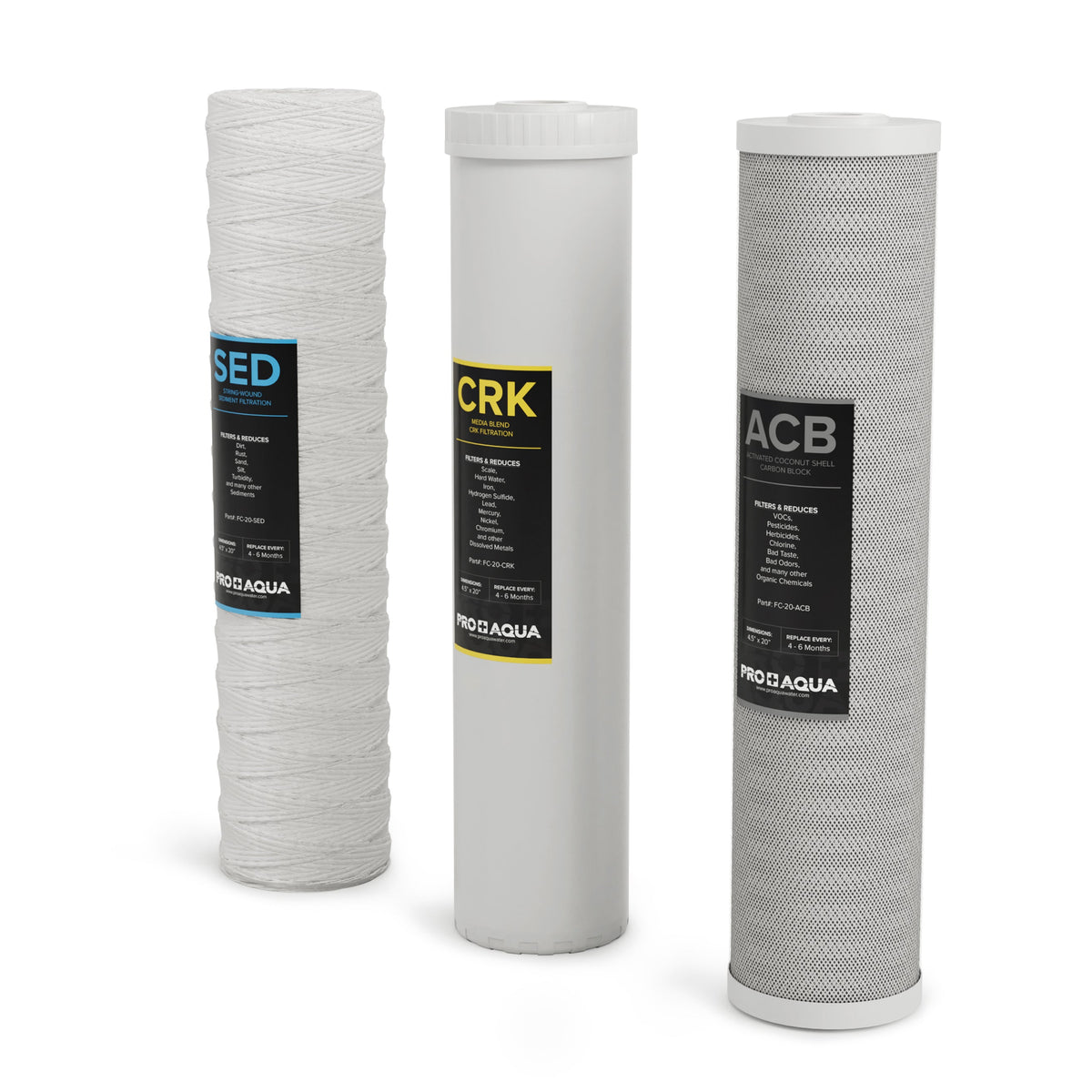
Upfront installation cost differs greatly depending on system type, from a simple under-sink unit to a whole-house setup with multiple stages. Beyond installation, ongoing costs come primarily from filter and membrane replacement, which differ by system and usage.
Our breakdown of common replacement water filters covers how different cartridge types and replacement schedules affect that ongoing cost, useful context for anyone comparing systems on more than just the sticker price of the initial install.
Filtered vs. Bottled: A Real Comparison
A lot of households already spend money on water without realizing it, buying cases of bottled water regularly because tap water tastes off or feels untrustworthy.
Over a year, that spending adds up to more than most people expect, and it doesn't solve problems like scale buildup or staining the way a whole-house system does.
Our comparison of filtered vs. bottled water lays out the actual numbers side by side.
For households already relying on bottled water as their main solution, a filtration system frequently pays for itself faster than expected once that ongoing bottled water spending gets factored in.
Reverse Osmosis and Where It Fits
Reverse osmosis sits toward the higher end of both cost and performance among home filtration options. So, how does reverse osmosis water filtration work?
Water gets forced through a semi-permeable membrane fine enough to block dissolved salts, heavy metals, and a vast array of contaminants that sediment or carbon filtration alone can't touch, leaving noticeably cleaner water at the tap it's installed on.
Our page on reverse osmosis basics covers the mechanics in more depth.
For households prioritizing drinking and cooking water quality specifically, RO tends to deliver the most noticeable improvement of any single filtration stage, though it's usually paired with upstream sediment and carbon treatment rather than installed alone.
Well Water vs. Municipal: Different Math
The value equation looks different depending on the water source. Municipal water arrives pre-treated, so filtration there mostly targets taste, chlorine odor, and any remaining trace contaminants.
Well water skips that pre-treatment entirely, which means filtration is doing much more heavy lifting: removing sediment, iron, manganese, hardness, and in some cases bacteria that a municipal system would have already handled before it ever reached the tap.
This is part of why well owners tend to see a more dramatic before-and-after than municipal customers do.
The problems filtration solves on a well, staining, odor, scale buildup, are often more visible and more expensive to leave untreated than the milder taste issues municipal customers usually deal with.
What Makes the Best System for a Home
There's no single best water filtration system for the home that applies across every household, since the right setup depends entirely on water source, household size, and what a test actually reveals about a specific supply.
A system built for municipal water with mild chlorine taste looks nothing like one built for a well producing iron, sediment, and hardness all at once.
Matching the system to the actual water, rather than picking based on price or marketing alone, is what separates a setup that actually works from one that underperforms and gets replaced within a year or two.
Why the Right Guidance Matters More Than the Product Itself
We've seen enough installations to know that the system itself is only half the equation.
Sizing it correctly, choosing the right combination of stages, and setting expectations around maintenance and replacement schedules matter just as much as the equipment, and that's where a lot of well-intentioned purchases fall short.
A homeowner picking equipment off a shelf without a water test behind the decision is essentially guessing, even with quality equipment in hand.
That's the difference we try to bring to every recommendation: matching real lab results and real household needs to a system built for that specific situation, not a generic answer pulled from a catalog.
PRO+AQUA has spent years building that kind of match, and it's a big part of why the systems we install tend to actually solve the problem they were bought for instead of becoming another piece of equipment gathering dust in a basement.
Reach out anytime for an honest read on whether filtration makes sense for your specific water.


Leave a comment
This site is protected by hCaptcha and the hCaptcha Privacy Policy and Terms of Service apply.