


Older water softeners regenerate on a set schedule, whether the household used a little water or a lot that week. This wastes salt, wastes water, and shortens the lifespan of the resin bed through unnecessary cycles. A high-efficiency water softener solves that problem by measuring actual water flow through the unit and triggering regeneration only when the resin nears capacity.
The result is a system that works smarter, not harder, and one that pays for itself through lower bills and less frequent maintenance. For homeowners weighing an upgrade, understanding how these systems improve both water quality and long-term savings makes the decision much clearer.
What Makes a Water Softener High Efficiency
The core difference comes down to the control valve. Standard timer-based softeners regenerate at fixed intervals, often every few days, regardless of how much water actually passed through the tank. A metered, high efficiency unit uses a flow sensor to track real usage and only regenerates once the resin bed approaches its treatment limit.
This single change reduces salt consumption significantly, since the system stops running cycles it doesn't need. Less frequent regeneration also means less wastewater sent down the drain, which adds up over a year of daily use. Some models add further refinements, like proportional brining that adjusts salt dosage based on the specific hardness level detected, squeezing out even more savings without sacrificing performance.
Water Quality Benefits Beyond the Basics
Efficiency upgrades do more than trim your utility bill. Because these systems regenerate based on real demand, resin stays fresher and performs more consistently between cycles. That translates to steadier softening results across every faucet, rather than a slow dip in performance right before a scheduled regeneration kicks in.
Households often notice smoother skin after showers, brighter laundry, and less spotting on dishes almost immediately after switching. Appliances connected to the water line, including water heaters, dishwashers, and washing machines, also benefit from reduced scale buildup, which helps them run at full efficiency for longer and cuts down on early repairs.
Long-Term Savings You Can Expect
The savings from a high-efficiency system stack up in a few distinct ways. Salt usage typically drops because the unit only regenerates when needed instead of on autopilot. Water usage falls too, since fewer regeneration cycles mean less water flushed during the process. Lower scale buildup protects appliances, which can extend their working life and delay costly replacements.
Many homeowners also see a drop in soap and detergent use, since soft water lathers more efficiently and requires less product to get the same clean. Over several years, these combined savings often outweigh the upfront cost difference between a basic timer model and a metered, high-efficiency unit.
What Water Softener Installation Involves
Getting one of these systems running starts with proper sizing based on household size, water hardness, and daily usage. Most water softener installation projects involve connecting the unit to your main water line, typically near where it enters the home, along with a drain line for the brine tank and a power source for the digital control valve.
Many kits include pre-cut fittings, flex lines, and a bypass valve, which simplifies the process for homeowners comfortable with basic plumbing work. Professional installation is worth considering if your setup involves tight spaces, multiple water lines, or if you want the sizing and placement double-checked before the first regeneration cycle runs.
Choosing the Right System for Your Home
Match the unit's capacity to your household size and test results, not just the sticker price. A high-efficiency water softener sized too small will regenerate constantly, canceling out the savings you're trying to capture. One sized too large wastes money upfront without added benefit. A water hardness test combined with your daily usage estimate gives installers what they need to recommend the right grain capacity for lasting performance.
Upgrade Your Water with Pro+Aqua
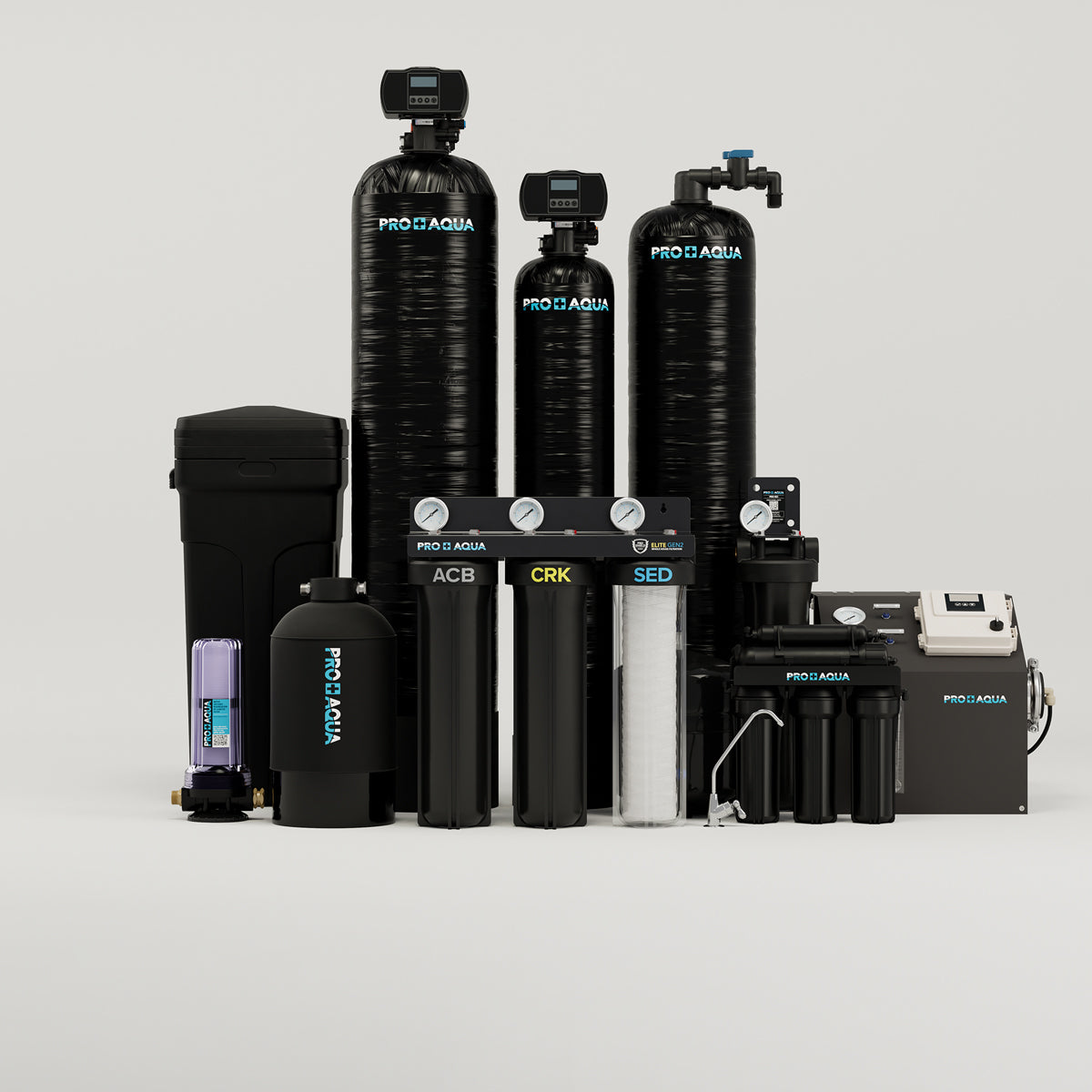
At Pro+Aqua, our water softeners use digital metered control valves that regenerate only when your household actually needs it, cutting salt and water waste from day one. Every unit ships pre-assembled and pre-filled with NSF-certified resin, so installation stays straightforward whether you're doing it yourself or bringing in a professional.
Backed by a strong warranty and a support team ready to help with sizing, our lineup is built to deliver real savings alongside softer, cleaner water throughout your home. Ready to lower your bills and upgrade your water at the same time? Explore our Pro+Soft collection and find the efficient system built for your household.


Leave a comment
This site is protected by hCaptcha and the hCaptcha Privacy Policy and Terms of Service apply.