


A water softener that once delivered silky water and spot-free dishes can slowly lose its edge, and most homeowners don't notice until the signs pile up. Spotty glassware returns, laundry feels stiff again, and that telltale chalky residue creeps back onto faucets. When this happens, water softener repair becomes the next logical step, but not every issue calls for a service call.
Some problems are quick fixes you can handle yourself in under an hour, while others point to a part that needs replacing or a professional set of hands. Knowing the difference keeps your system running longer and saves you from paying for help you didn't need.
Common Water Softener Problems and What Causes Them
Most softener issues fall into a short list of repeat offenders. Here's what tends to go wrong and why.
Salt bridging
A hard crust forms above the water level in the brine tank, blocking salt from dissolving into the water needed for regeneration. This is often caused by humidity, using the wrong salt type, or letting the tank run too low before refilling.
Resin bed fouling
Iron, sediment, or chlorine can coat the resin beads over time, reducing their ability to swap hardness minerals for sodium. A hard water softener working overtime against dirty resin loses efficiency fast, even if every other part functions normally.
Control valve or timer malfunction
The valve controls when regeneration cycles start and how long they run. A stuck or miscalibrated valve leads to a system that regenerates too often, too rarely, or not at all.
Clogged injector or venturi
This small part draws brine from the tank during regeneration. Sediment or salt residue can block it, leaving your softener unable to pull the salt water it needs to reset the resin bed.
Leaks around fittings or the bypass valve
Loose connections, worn O-rings, or cracked tubing show up as puddles near the unit or a slow drop in water pressure throughout the house.
Simple Fixes You Can Try First
Before assuming the worst, a few basic checks often solve the problem without any tools beyond your hands.
- Break up a salt bridge by gently pushing a broom handle or similar tool into the brine tank to loosen the crust
- Check the bypass valve to confirm it's set to the treat position, not bypass
- Inspect the power supply and timer settings, since a lost setting after an outage can throw off the whole cycle
- Clean the brine tank if you notice a thick sludge layer, sometimes called salt mush, sitting at the bottom
- Run a manual regeneration cycle to see if performance improves after a fresh cycle
If hardness returns right after one of these steps, give the system a day or two to fully reset before assuming the fix failed.
When the Problem Points to a Bigger Repair
Some symptoms mean it's time to look past DIY fixes. Resin beads showing up in your water, a valve that won't respond to manual controls, or a tank that continues leaking after fittings are tightened usually point to a part that needs replacing rather than adjusting. Persistent hardness despite a working regeneration cycle can mean the resin itself is exhausted and needs replacement, not just cleaning.
Electrical issues inside the control head, unusual noises during cycles, or a system under warranty are also good reasons to step back and bring in support rather than risk voiding coverage with a DIY attempt gone wrong.
Choosing Between DIY and Professional Help
Weigh the type of problem against your comfort level with plumbing work. Salt bridges, bypass settings, and basic cleaning fall safely into DIY territory for most homeowners. Valve replacements, electrical troubleshooting, and resin bed changes lean toward professional territory, especially if a warranty is still active.
Many water softener companies offer support lines or installation guides that walk you through diagnosing an issue before deciding your next move, which can save a wasted service call if the fix turns out to be something small like a stuck float or a loose wire.
Keeping Your System Running Smoothly Long-Term
A little routine care goes a long way toward avoiding repairs altogether. Check the brine tank monthly for bridging or mush, keep salt levels topped off without overfilling, and run an annual hardness test to confirm the system still performs as expected.
Cleaning the resin bed once a year with a dedicated resin cleaner helps clear iron and sediment before they build into a bigger fouling problem. These small habits add years to a softener's working life and cut down on surprise repair costs.
Get Reliable Support from Pro+Aqua
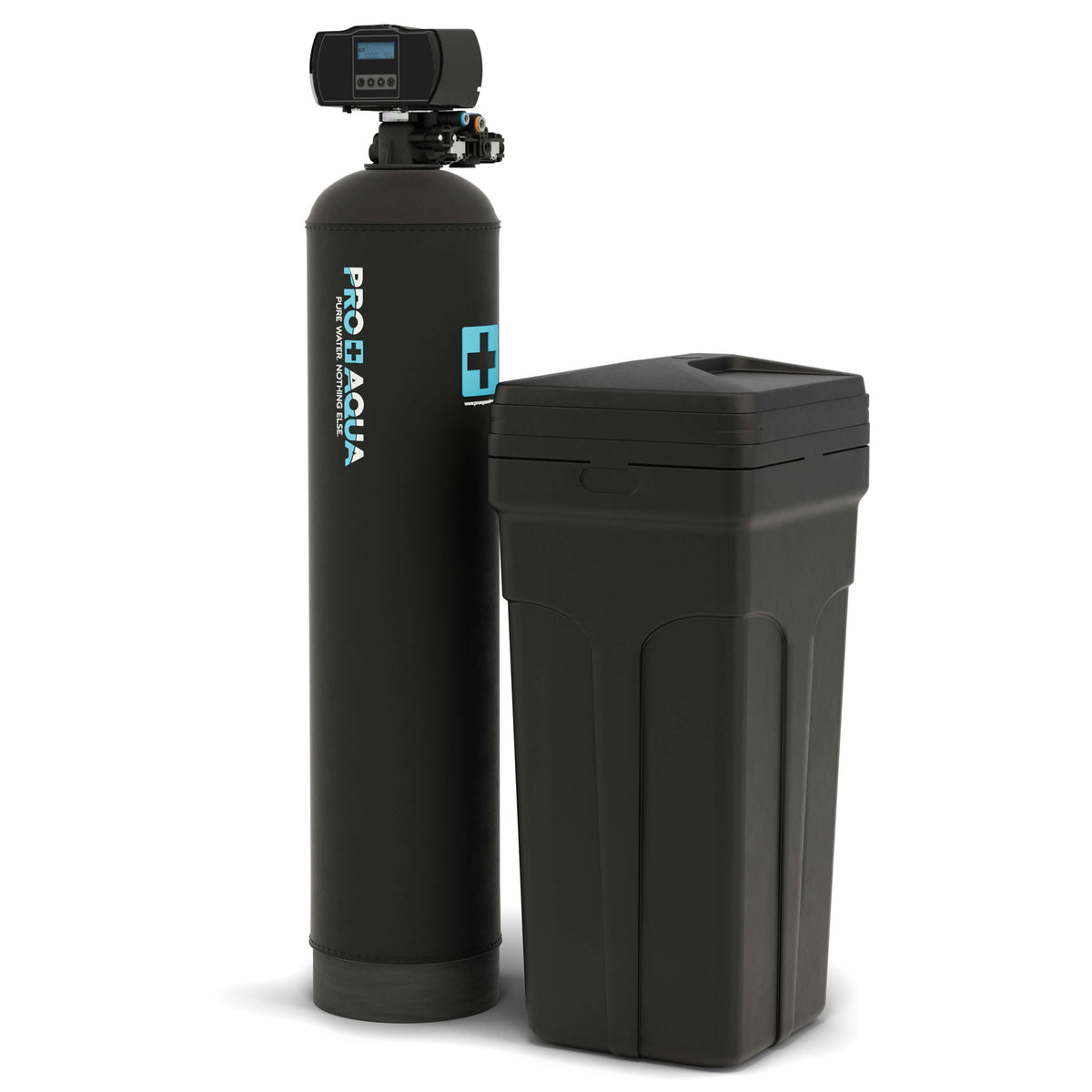
At Pro+Aqua, our systems are built with digital metered control valves and pre-filled NSF-certified resin, designed to reduce the everyday hiccups that lead to repair calls in the first place. Every unit ships with a strong warranty, extendable with registration, so you're never left guessing about coverage if something goes wrong.
Our support team and online installation guides walk you through troubleshooting steps before you spend money on a technician, and if the issue does need hands-on help, we're ready to point you in the right direction. Softer water shouldn't come with constant maintenance headaches. Explore our Pro+Soft lineup and see why homeowners trust us to keep their systems running smoothly for years.


Leave a comment
This site is protected by hCaptcha and the hCaptcha Privacy Policy and Terms of Service apply.