

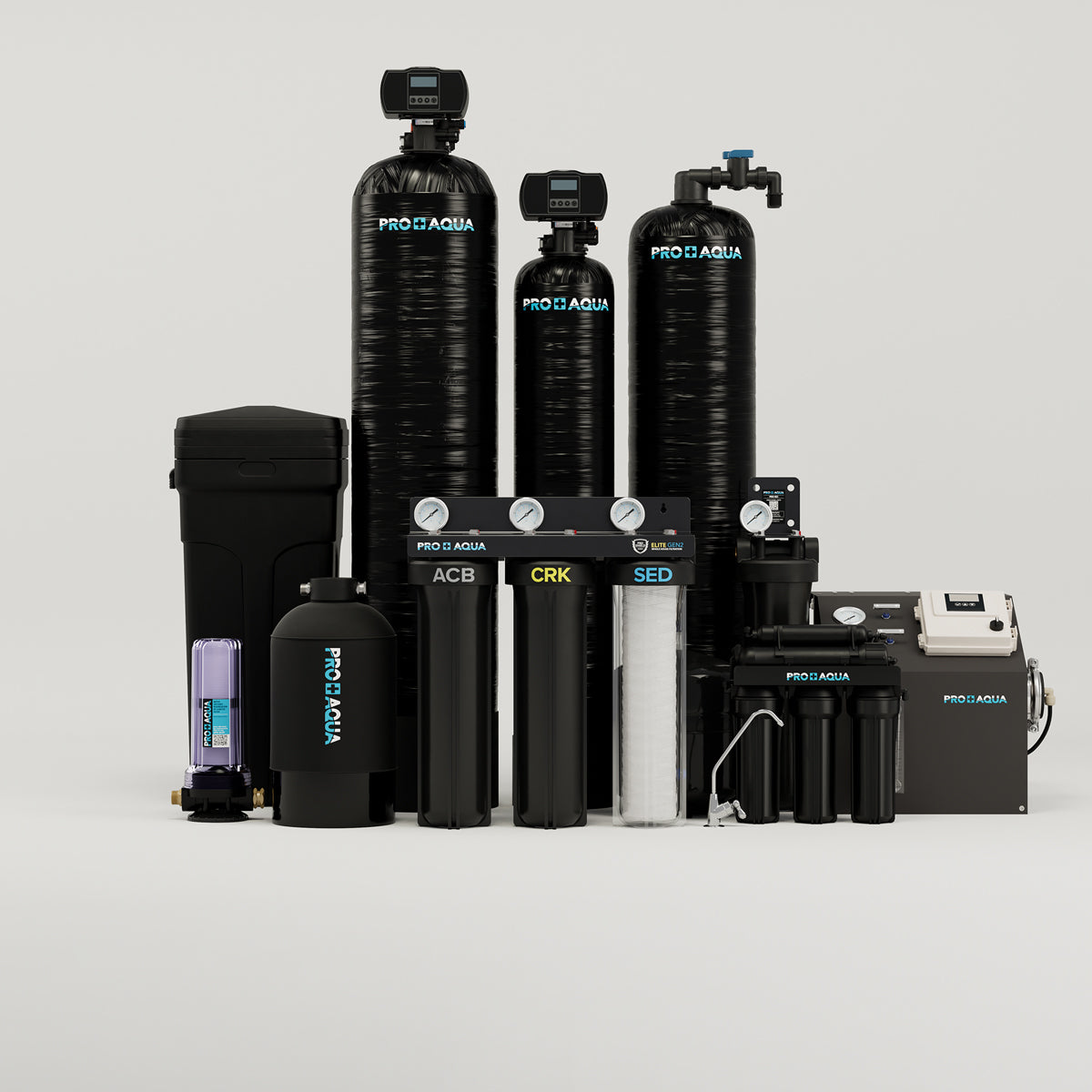


Every water softener needs a way to reset itself, since the resin bed can only hold so many hardness minerals before it stops working effectively. That reset is called the regeneration cycle, and it's the process responsible for keeping your water consistently soft day after day.
Homeowners who understand what happens during this cycle, and how often it should occur, are better equipped to notice when something's off before hard water starts showing up at the tap again. This breakdown covers the stages involved, typical timing, and what to watch for if the process stops running the way it should.
What Happens During Regeneration
Regeneration unfolds in a series of distinct stages, each with a specific job. The cycle starts with backwashing, where water flows upward through the resin tank to loosen and flush out any trapped sediment.
Next comes the brine draw, pulling concentrated salt water from the brine tank through the resin bed. This step is where the actual recharging happens, as sodium ions replace the calcium and magnesium built up on the resin beads.
A slow rinse follows, allowing the brine solution enough contact time to fully recharge the resin. Finally, a fast rinse flushes any remaining brine and loosened minerals out of the system entirely, sending them down the drain line before the softener returns to normal service.
How Often Regeneration Should Run
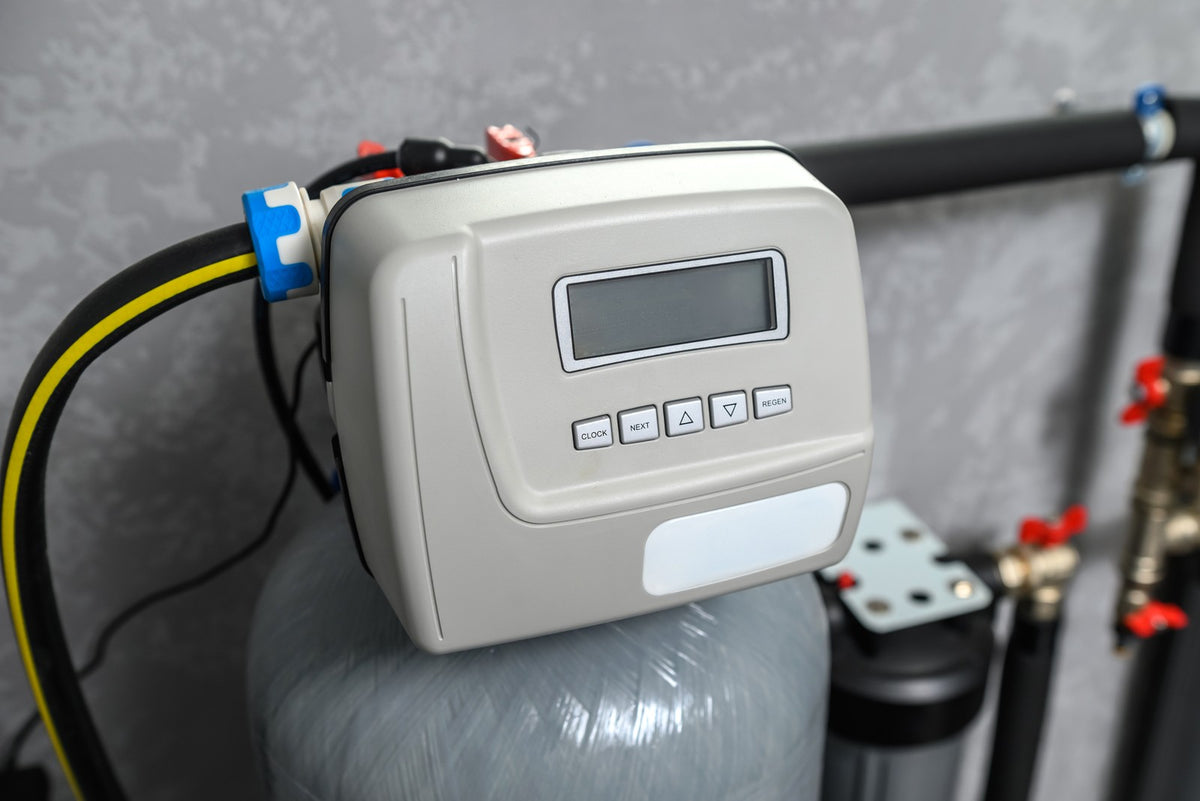
Timing depends heavily on the type of control valve installed. Timer-based systems regenerate on a fixed schedule, often every two to three days, regardless of actual water usage that week. Metered systems, found in most of the best water softener for homes on the market today, track real water flow and only regenerate once the resin bed nears its treatment capacity.
This approach conserves salt and water since cycles only run when genuinely needed, rather than on a preset calendar that ignores actual demand.
Why the Timing of Regeneration Matters for Performance
Running regeneration too often wastes salt and water, while running it too rarely lets hard water slip through before the resin gets recharged. A softener regenerating constantly, even with light household use, often signals a miscalibrated meter or a valve that needs adjustment.
On the flip side, extended stretches without any regeneration, especially with heavy water use, means the resin bed reaches capacity and starts letting untreated water through the tap.
Signs the Regeneration Cycle Isn't Working Right
A few clear signals point to a cycle that's not functioning as it should. Water hardness returning despite a recently completed cycle often points to exhausted resin or a clogged injector preventing proper brine draw.
Unusual noises during the cycle, water pooling near the unit, or a brine tank that never seems to lose salt level are all worth investigating. If troubleshooting on your own doesn't resolve the issue, reaching out to water softener services for a professional diagnosis saves time compared to guessing at the cause.
Choosing a System with Reliable Regeneration Control
Not every softener handles this process the same way. Systems with digital metered valves generally offer more consistent, efficient regeneration than older timer-based models, since they respond to actual usage instead of a fixed guess.
When comparing options, checking how a system determines when to regenerate is worth just as much attention as comparing grain capacity or price, since this feature directly affects long-term salt and water costs.
Keep Your Regeneration Cycle Running Smoothly with Pro+Aqua
At Pro+Aqua, our systems use digital metered control valves built to regenerate based on actual household demand, not a fixed schedule that wastes salt and water. Every unit ships pre-programmed for straightforward setup, and our support team is ready to help if your cycle timing ever seems off.
Reliable regeneration is the foundation of consistently soft water, and we build our systems to deliver exactly that, year after year. Browse our Pro+Soft lineup and get a softener with regeneration you can count on.

Leave a comment
This site is protected by hCaptcha and the hCaptcha Privacy Policy and Terms of Service apply.