


Every water softener needs somewhere for wastewater to go once regeneration flushes salt brine and collected hardness minerals out of the resin tank. A poorly connected water softener drain line is one of the most common causes of water damage tied to these systems, since a backed-up or disconnected line sends water exactly where it shouldn't go.
Getting this part of water softener installation right from the start protects your floors, your system, and your warranty coverage, all without adding much extra time to the overall project.
Where the Drain Line Connects
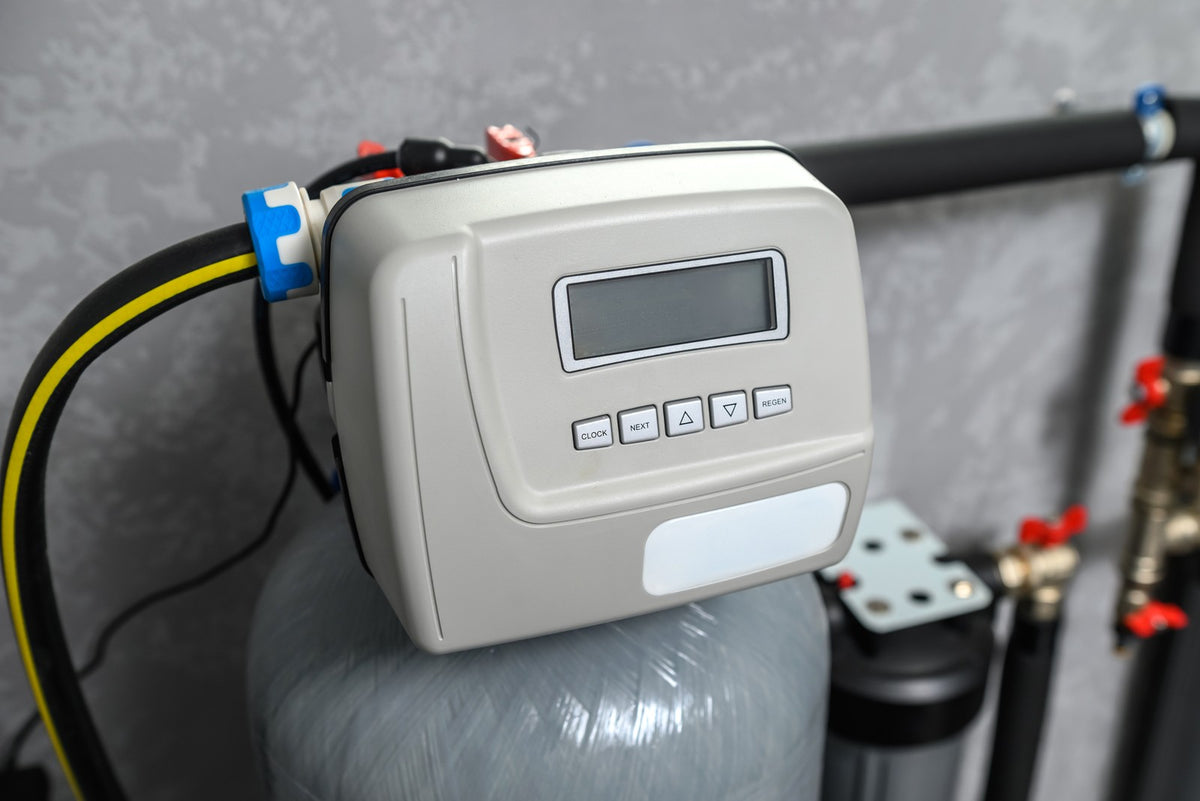
Most residential water softeners route their drain line from the control valve to a nearby drain point. Standard options include a floor drain, a laundry standpipe, a utility sink, or a dedicated drain pipe tied into the home's plumbing through an air gap fitting.
The connection point needs to sit lower than the control valve outlet so gravity carries wastewater away without pooling or backing up into the unit. If no drain sits close enough, running a new line to the nearest suitable connection is often necessary, though this adds extra plumbing work to the installation.
Pipe Size and Slope Requirements
Getting the physical setup right matters just as much as picking the connection point. Most manufacturers recommend a minimum half-inch drain line, though systems with higher flow rates during regeneration may call for something larger to avoid a backup during peak discharge.
The line needs a consistent downward slope toward the drain, generally around a quarter inch of drop for every foot of horizontal run. Flat or upward-sloping sections trap water inside the tubing, which can freeze in cold spaces or create a blockage that stops future regeneration cycles from draining properly.
Avoiding Backflow with an Air Gap
Building an air gap into the drain line setup keeps wastewater from siphoning back into the softener if the main drain ever backs up. This usually means positioning the end of the drain line an inch or two above the drain opening rather than pushing it directly into a pipe.
Skipping this step creates a real risk of contaminated water flowing backward into the resin tank, which can damage the resin bed and force an early water softener replacement.
Common Mistakes During Drain Line Installation
A handful of recurring mistakes trip up otherwise straightforward installations:
- Running the line too far without enough slope, leading to standing water inside the tubing
- Skipping the air gap and creating a backflow risk during a main drain clog
- Using a pipe diameter too small for the system's discharge rate, causing overflow during regeneration
- Securing the line loosely, allowing it to shift or disconnect from vibration over time
Catching these issues before the first regeneration cycle runs saves a homeowner from discovering a flooded utility room days after moving on to other projects.
Keeping the Drain Line Clear Long-Term
Even a properly installed line needs occasional attention. Salt residue and mineral buildup, sometimes visible as water softener salt crystals near the drain connection, can signal a slow leak or a line that needs flushing.
Checking the connection every few months, along with confirming the air gap remains unobstructed, keeps the system draining as designed and avoids a slow decline in performance that's easy to miss until regeneration stops working altogether.
Get Reliable Installation Support from Pro+Aqua
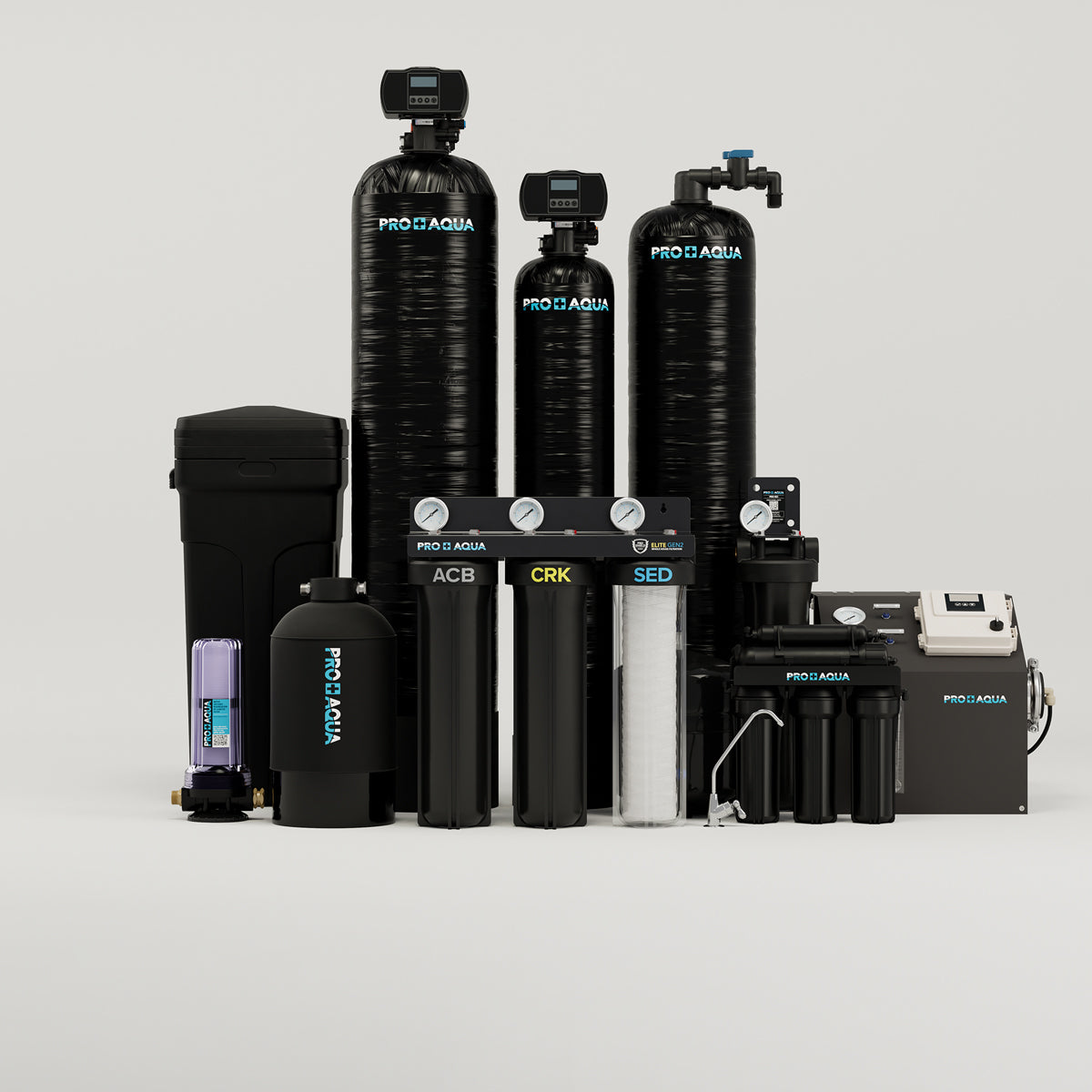
At Pro+Aqua, our water softener installation guides walk through drain line placement, slope requirements, and air gap setup for every system we sell, so this step doesn't get left to guesswork. Every unit ships with the fittings needed for a standard connection, and our support team is ready to answer questions if your home's layout raises anything unusual.
Getting the drain line right protects the rest of your investment, and we're here to help you get it done correctly the first time. Browse our Pro+Soft water softener lineup and set up your system with confidence.


Leave a comment
This site is protected by hCaptcha and the hCaptcha Privacy Policy and Terms of Service apply.