

What size water softener do I need? It’s one of the most common questions homeowners ask before buying, and the answer depends on more than just how many people live in the house. Hardness level, daily water use, and even the number of bathrooms all factor into getting this right.
Get the sizing wrong, and you'll either pay for capacity you never use or end up with a system straining to keep up with demand.
What Does a Water Softener Do, and Why Sizing Matters
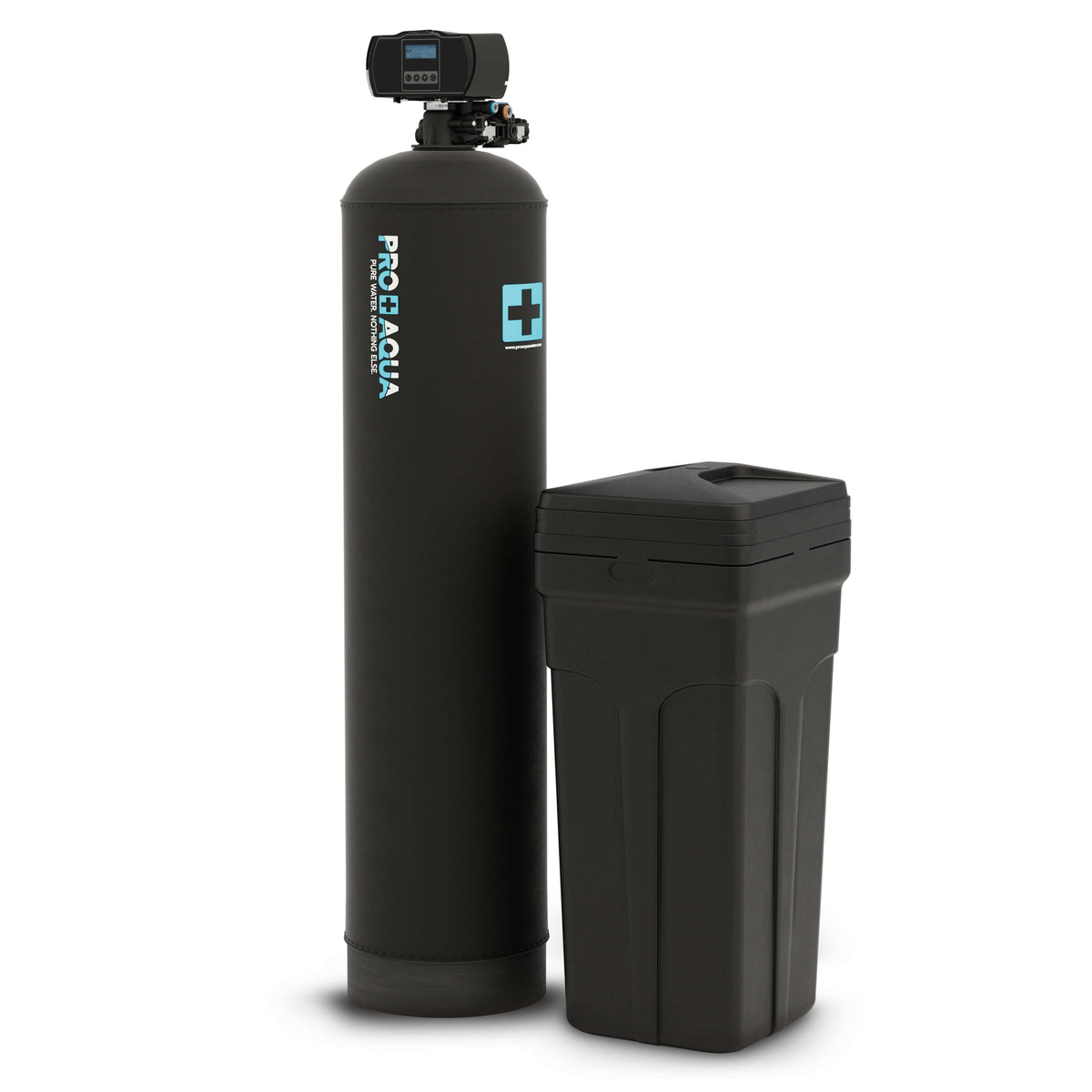
A water softener removes calcium and magnesium, the minerals responsible for hard water, through an ion exchange process inside a resin tank. The tank's capacity, measured in grains, determines how much hardness it can treat before needing to regenerate.
Undersizing means frequent regeneration cycles, faster resin wear, and higher salt and water use over time. Oversizing wastes money on a bigger tank than your household will ever need, without any real performance gain. Getting the size right keeps the system efficient and extends its working life.
Calculating Your Household's Grain Capacity Needs
Start with two numbers: your water's hardness in grains per gallon, and your household's daily water usage. Multiply your hardness level by the number of people in your home, then by an estimated 75-100 gallons of daily use per person.
This rough figure tells you how many grains your softener needs to handle between regenerations. A water softener for a house with two people and moderately hard water might only need a 32,000-grain system, while a larger household with five or more people and harder water often needs 60,000 grains or more to avoid regenerating every day or two.
Matching Grain Capacity to Household Size
As a general guideline, here's how grain capacity typically lines up with household needs:
- 1-2 people, 1 bathroom: 32,000-grain water softener
- 2-3 people, 1-2 bathrooms: 35,000-grain water softener
- 3-5 people, 2-3 bathrooms: 45,000-grain water softener
- 5-7 people, 4-5 bathrooms: 65,000-grain water softener
- 7+ people, 6+ bathrooms: 80,000-grain water softener
These numbers shift based on hardness level, so a home with very hard water may need to size up even with a smaller household.
Other Factors That Affect Sizing Beyond Household Count
Grain capacity is the starting point, but a few other details push the final number up or down. Homes on well water often deal with iron alongside hardness, and iron content adds extra load to the resin bed, which sometimes calls for sizing up or pairing the softener with a separate filtration stage. Peak water usage matters too.
A household that runs the dishwasher, washing machine, and two showers at once needs a system rated for a higher flow rate in gallons per minute, not just a large grain capacity sitting idle most of the day. Homes with tankless water heaters or multiple water-using appliances running simultaneously should lean toward the higher end of their sizing bracket to avoid pressure drops during heavy use.
Get the Right Fit with Pro+Aqua
At Pro+Aqua, we offer a full range of grain capacities so you're not stuck guessing between too small and too big. Our sizing guide, paired with support from our team, makes it simple to match a system to your household size and water test results.
Every unit ships pre-assembled with NSF-certified resin and a strong warranty, so once you've found the right fit, installation and long-term performance stay just as straightforward. Ready to stop guessing and start softening? Browse our Pro+Soft water softener lineup and find the size built for your home.


Leave a comment
This site is protected by hCaptcha and the hCaptcha Privacy Policy and Terms of Service apply.