


Clean water is not optional in hydroponics. It is the difference between a thriving crop and wasted effort. RO water for hydroponics gives growers total control over what their plants absorb. Reverse osmosis strips out minerals, chlorine, and other impurities that can stunt growth or disrupt nutrient balance.
For serious growers, starting with pure water is a safeguard. It ensures consistency, protects sensitive plants, and maximizes yield. In this guide, we explain why RO water matters, the challenges it solves, and how it empowers growers to oversee healthier, stronger crops.
Common Water Challenges in Hydroponics

Not all water is ready for hydroponics, Tap water often contains minerals, chlorine, and chloramines that interfere with nutrient absorption. Hard water, high in calcium and magnesium, can cause buildup in pipes and pumps. Over time, these issues reduce system efficiency and stunt plant growth.
Even small amounts of dissolved solids can destabilize pH, making nutrient delivery inconsistent. Seasonal and regional variations in municipal water add uncertainty, stressing plants and lowering yields. Growers who ignore water quality risk slower growth, nutrient lockout and costly maintenance.
For growers who want predictable results, water quality is the first challenge to solve.
How RO Water Solves These Challenges

Reverse osmosis gives hydroponic growers complete control over water quality. RO water removes up to 99% of minerals, chlorine, chloramines, and other impurities, creating a clean foundation for nutrients. Plants absorb nutrients efficiently, pH stays stable, and growth is consistent. It also prevents scale buildup in pipes and pumps, reducing maintenance and protecting your system.
For sensitive crops or high-value yields, RO water is essential. It turns water from a variable task into a reliable tool, supporting stronger roots, healthier plants, and predictable results while safeguarding equipment.
Water Contaminants and How RO Removes Them
| Contaminant | Effect on Hydroponics | RO Removal Efficiency |
| Calcium & Magnesium (Hard Water) | Scale buildup, nutrient imbalance | 95-99% |
| Chlorine | Root damage, inhibits beneficial microbes | 95-99% |
| Chloramines | Reduces nutrient uptake, stresses plants | 95-99% |
| Total Dissolved Solids (TDS) | Impacts pH, inconsistent nutrient delivery | 95-99% |
| Heavy Metals (Lead, Copper) | Toxic to plants, inhibits growth | 95-99% |
By removing these contaminants, growers gain control, protect their equipment, and maximize crop performance.
Key Benefits of RO Water for Growers

Using RO water transforms hydroponic and greenhouse operations. It provides a consistent foundation for nutrient delivery, ensuring plants absorb exactly what they need. Stronger roots, healthier foliage, and higher yields come from precise water management. Growers gain control over pH, total dissolved solids, and nutrient balance, eliminating guesswork and promoting healthier crop growth.
RO systems also protect equipment. Scale, mineral buildup, and corrosion are drastically reduced, extending the life of pumps, pipes, and emitters. Maintenance becomes simpler, and downtime drops. For serious growers, this level of reliability is essential.
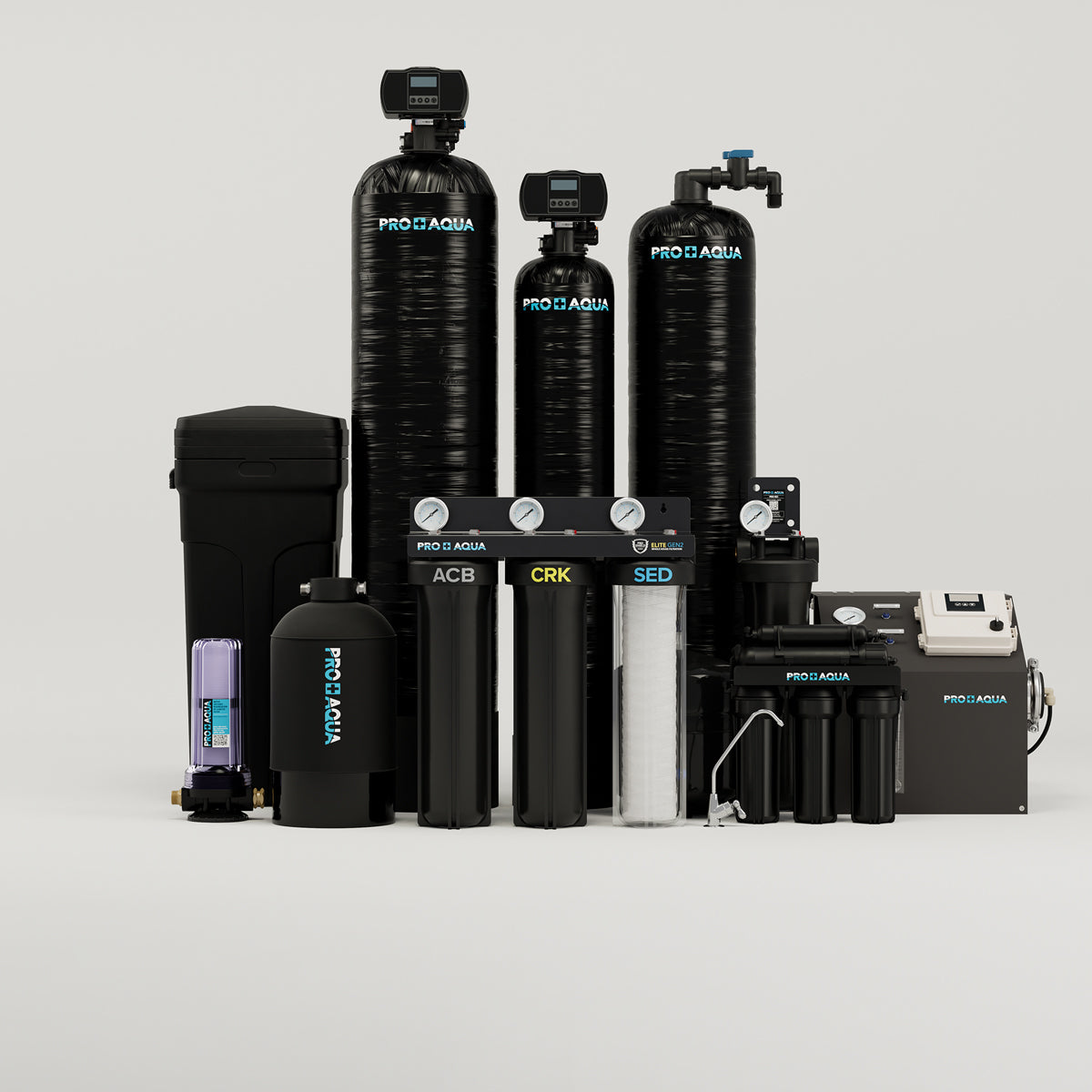
Recommended PRO+AQUA Systems for Growers
4000 GPD 3-Stage Commercial Reverse Osmosis Water Filter System

Showing PRO-RO-IV
- Produces up to 4,000 gallons of purified water per day.
- Designed for large greenhouses, hydroponic farms, and high-volume growers.
- Removes up to 99% of dissolved minerals, chlorine, and contaminants.
- Delivers stable, predictable water for consistent nutrient management.
1000 GPD 4-Stage Commercial Reverse Osmosis Water Filter System

Showing PRO-RO-I
- Produces up to 1,000 gallons of high-purity water daily.
- Ideal for smaller greenhouses or modular hydroponic setups.
- Features 4-stage filtration with built-in gauges for precise monitoring.
- Ensures nutrient solutions perform exactly as intended, maximizing crop health.
By choosing the right RO system, growers can't remove uncertainty from their operations. These systems provide consistent performance, plant protection, and predictable results. With PRO+AQUA RO systems, water becomes a reliable tool, empowering growers to produce stronger, healthier, and more productive crops.
Grow Smarter: The Value of RO Water

Clean, consistent water is the foundation of every successful hydroponic operation. RO water gives growers complete control over nutrients, pH, and dissolved solids, protecting plants and equipment alike. By removing contaminants and stabilizing water quality, reverse osmosis transforms uncertainty to predictable performance.
PRO+AQUA RO systems deliver reliable, high-purity water for any scale of operation. Whether you choose the 1000 GPD or 4000 GPD system, you gain precision, protection, and consistency. For growers serious about healthy roots, strong plants, and higher yields, RO is not optional; it's essential.
FAQs
Why is RO water important for hydroponic growing?
RO water removes minerals, chlorine, and other contaminants that can disrupt nutrient absorption and pH balance. Using pure water ensures consistent growth, stronger roots, and higher yields, giving growers precise control over their hydroponic systems.
Can I use tap water instead of RO water?
Tap water varies in mineral content, chlorine, and other impurities. These fluctuations can cause nutrient lockout, scale buildup, and inconsistent growth. RO water provides a predictable foundation, making it the preferred choice for serious hydroponic growers.
How do PRO+AQUA RO systems help protect my equipment?
PRO+AQUA RO systems remove up to 99% of dissolved minerals and contaminants. This reduces scale, corrosion, and clogs in pumps, pipes, and emitters, extending system life and lowering maintenance requirements for both small and large hydroponic operations.
Which PRO+AQUA RO system is right for my greenhouse or grow setup?
Smaller operations may benefit from the 1000 GPD 4-stage system, while larger greenhouses or hydroponic farms will need the 4000 GPD commercial system. Both provide high-purity water, precise nutrient control, and consistent performance.
How often should I maintain or replace my RO system components?
Regular maintenance is essential for optimal performance. Filters typically need replacement every 6-12 months, while membranes may last 2-3 years depending on water quality and usage. Following manufacturer guidelines can help support consistent water quality and extend the life of your system.



Leave a comment
This site is protected by hCaptcha and the hCaptcha Privacy Policy and Terms of Service apply.