

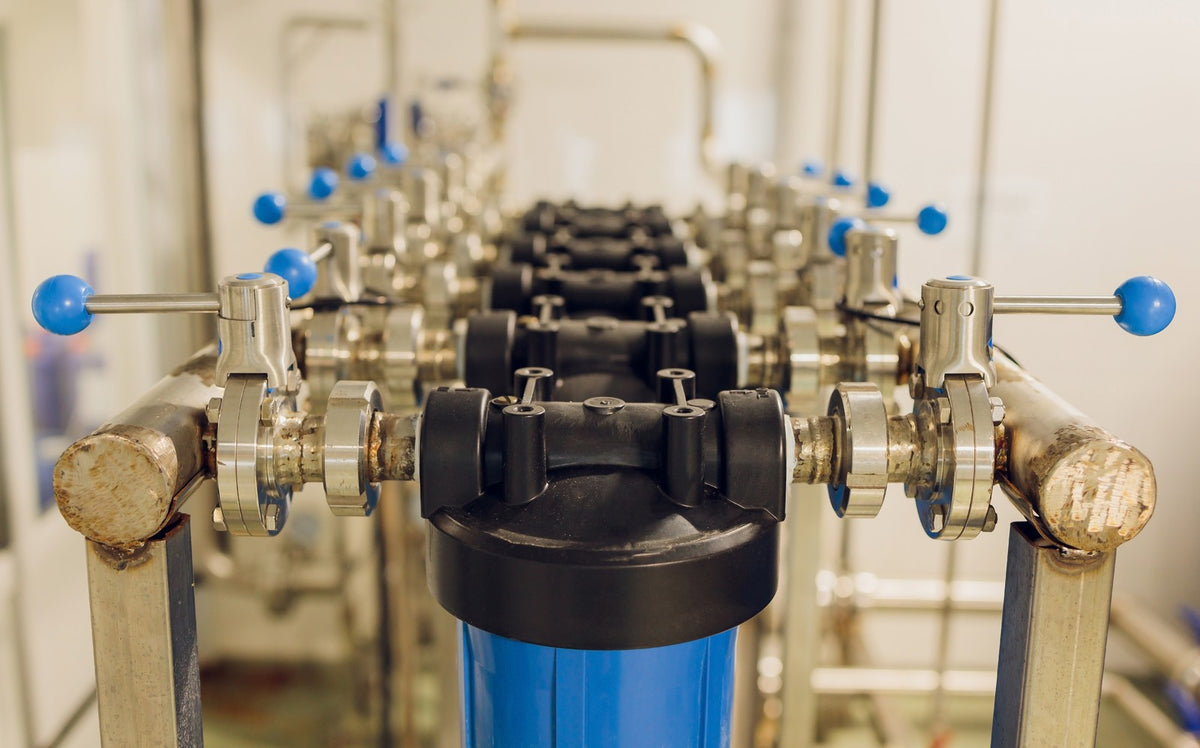
A restaurant kitchen, hotel laundry room, or manufacturing line all depend on consistent water quality to keep equipment running the way it's supposed to. When commercial water softener maintenance gets pushed aside for more visible priorities, the cost doesn't disappear, it just moves further down the line and grows larger along the way.
Scale buildup inside pipes and machinery happens quietly, and by the time performance drops enough to notice, the damage to boilers, dishwashers, or production equipment is often already underway. For facilities managers juggling dozens of responsibilities, understanding why this specific system deserves regular attention makes the difference between planned upkeep and an expensive surprise repair bill.
The Real Cost of Skipping Maintenance
Hard water passing through an underperforming softener carries calcium and magnesium straight into every connected system. In commercial settings, this shows up as scale buildup inside boilers, reduced efficiency in water heaters, and clogged spray nozzles in dishwashers or laundry equipment.
Each of these problems raises energy costs, since scale acts as an insulator that forces heating elements to work harder for the same output. Over months, these small inefficiencies compound into a noticeable jump in utility bills, well before anyone traces the cause back to the softener itself.
Equipment Lifespan Depends on Consistent Water Quality
Commercial equipment carries a higher price tag than residential appliances, and scale damage shortens the working life of nearly all of it. Boilers develop hot spots and reduced heat transfer efficiency. Ice machines clog and produce cloudy or off-tasting ice.
Laundry equipment wears out faster as mineral deposits build inside valves and heating elements. Replacing any of these pieces of equipment early, simply because a softener wasn't maintained, adds unplanned expense to a budget that likely didn't account for it.
Signs a Facility Needs Water Softener Replacement
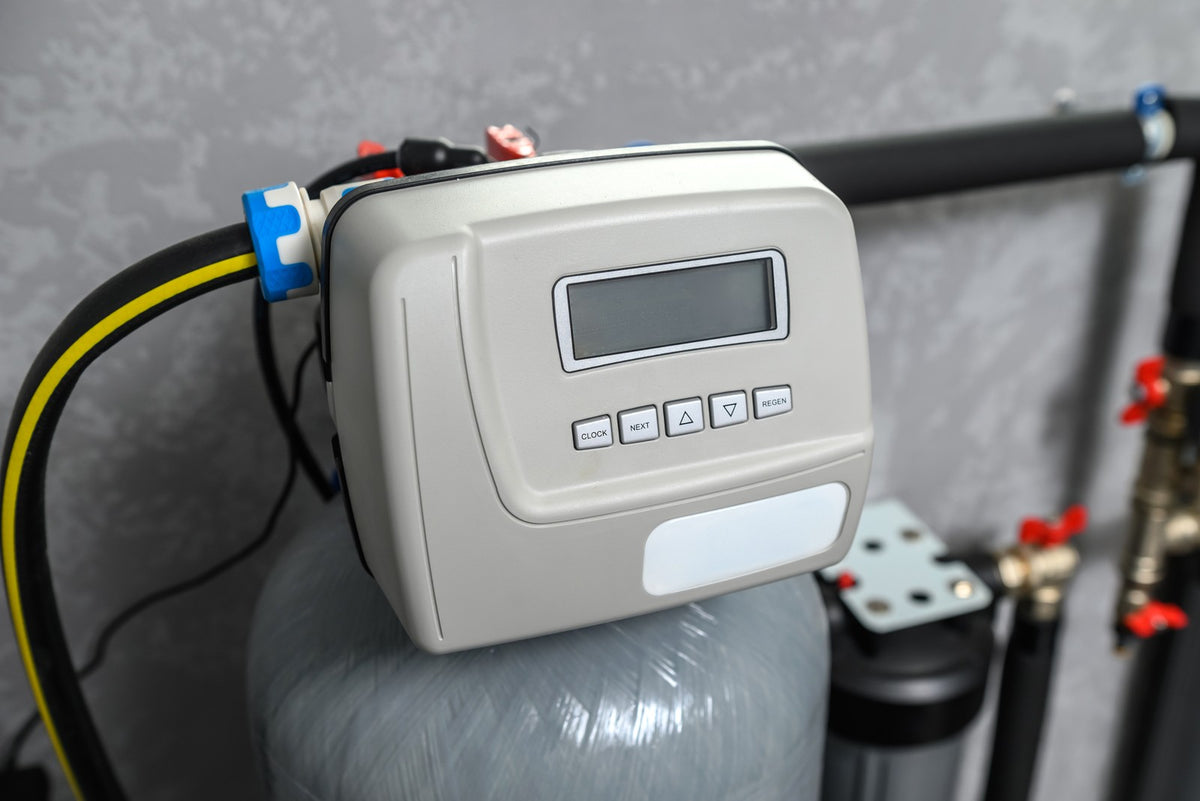
Some issues point past routine maintenance and toward a full water softener replacement. A system regenerating far more often than usual, hardness readings climbing despite regular servicing, or a control valve that no longer responds correctly to programming all suggest the unit has reached the end of its useful service life.
Facilities running heavy daily volume put more strain on a softener than a typical household, so replacement often becomes necessary sooner than expected in high-demand commercial settings.
Building a Maintenance Schedule That Works
A dependable maintenance routine doesn't need to be complicated, but it does need consistency. Checking salt levels weekly, inspecting the resin bed and control valve quarterly, and running an annual hardness test keeps most issues from growing into bigger repairs.
Facilities with especially hard water or high daily usage may need more frequent checks than this baseline schedule suggests, so adjusting the routine to match actual demand keeps the system performing at its best year-round.
Choosing a Water Softener with Installation Support Built In
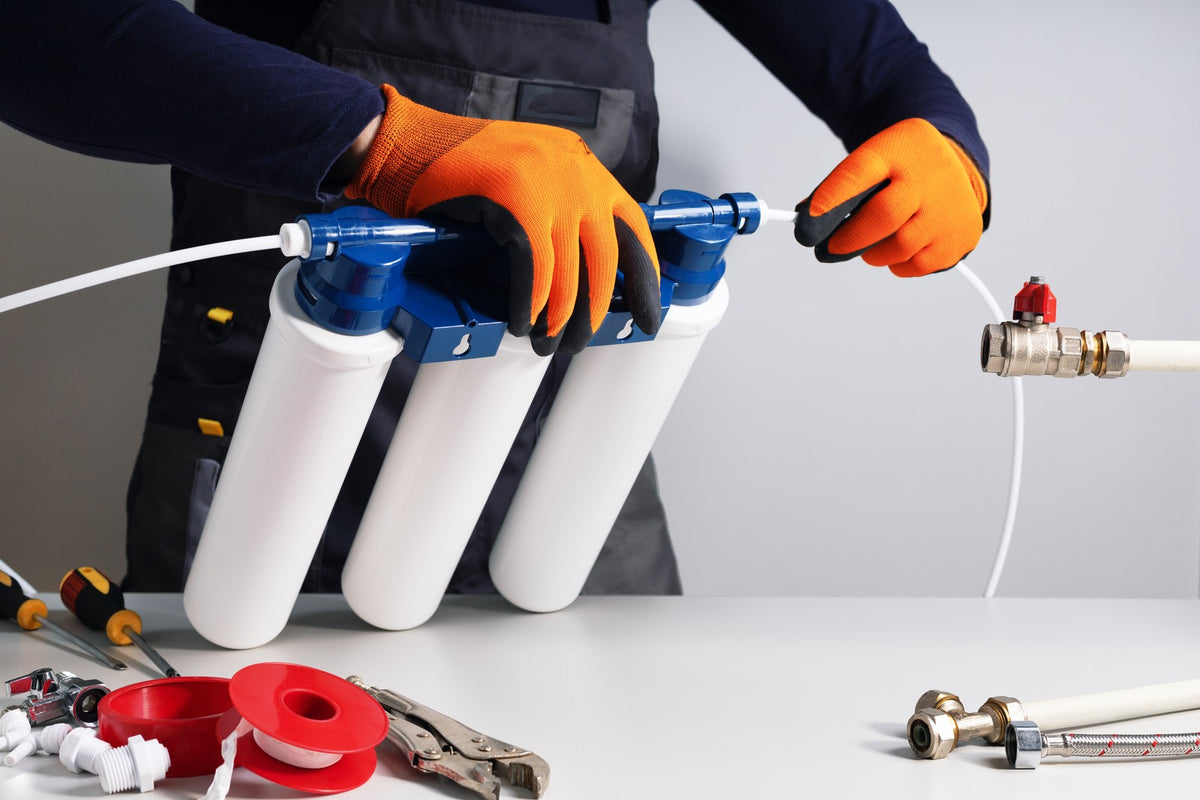
For facilities managers overseeing a new system, choosing a water softener with installation support included removes a layer of guesswork from an already complex project.
Clear documentation, sizing guidance, and a support team familiar with commercial-scale demands make the difference between a smooth rollout and a system mismatched to actual facility needs from day one.
Protect Your Facility's Water Quality with Pro+Aqua
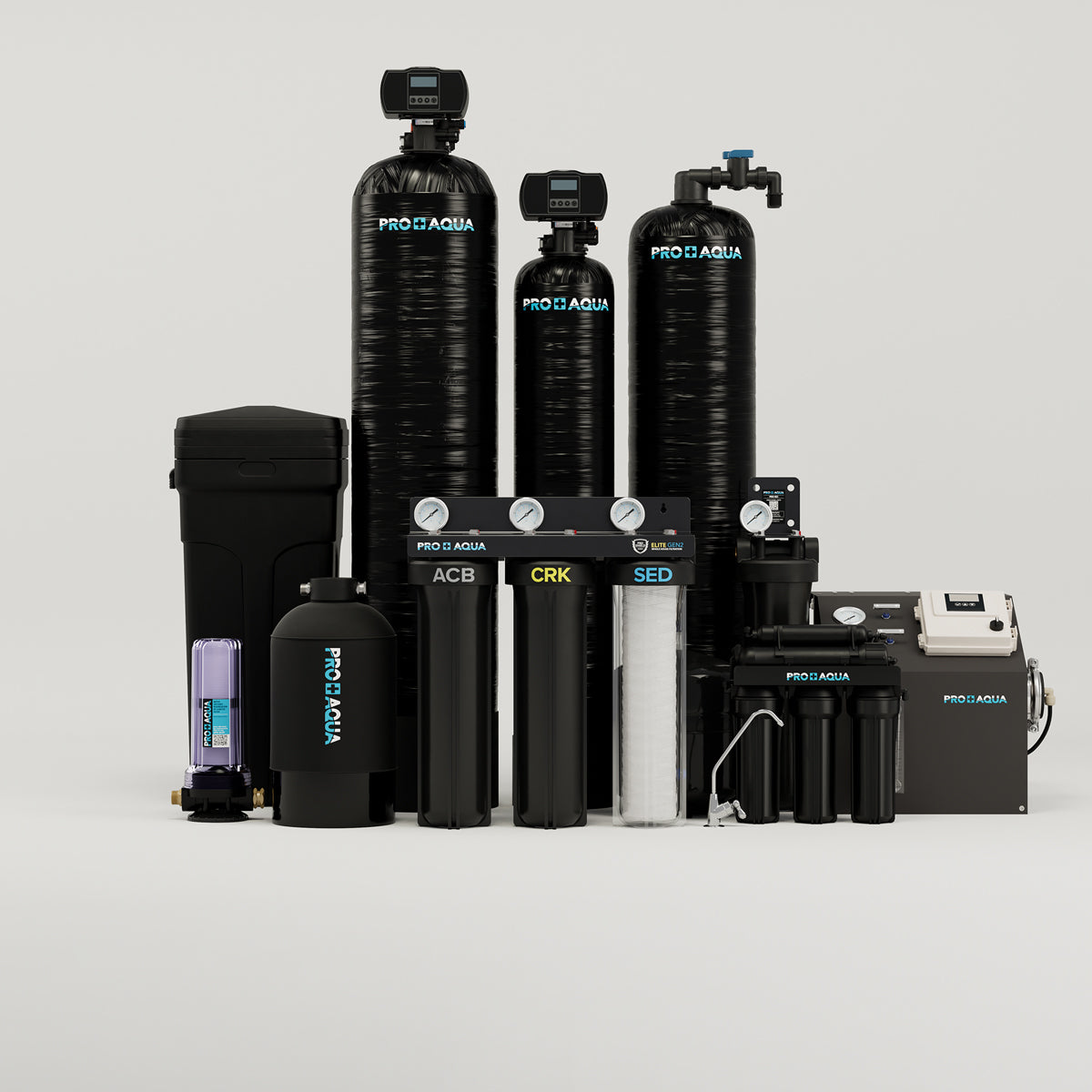
At Pro+Aqua, our commercial systems are built for the daily demands facilities place on them, with sizing options and support designed around real-world usage rather than residential assumptions. Our team helps facilities managers build maintenance schedules suited to their specific water conditions, and when replacement becomes the right call, we make the transition straightforward with clear documentation and responsive support.
Protecting equipment, controlling energy costs, and avoiding unplanned downtime all start with a properly maintained system. Browse our water softener lineup and give your facility the water quality it depends on.

Leave a comment
This site is protected by hCaptcha and the hCaptcha Privacy Policy and Terms of Service apply.