


Learning how to filter well water the right way means holding off on equipment until you know what's actually coming out of the ground. Skip that step, buy a filter based on a guess, and there's a good chance you'll end up with a system that never quite solves the problem.
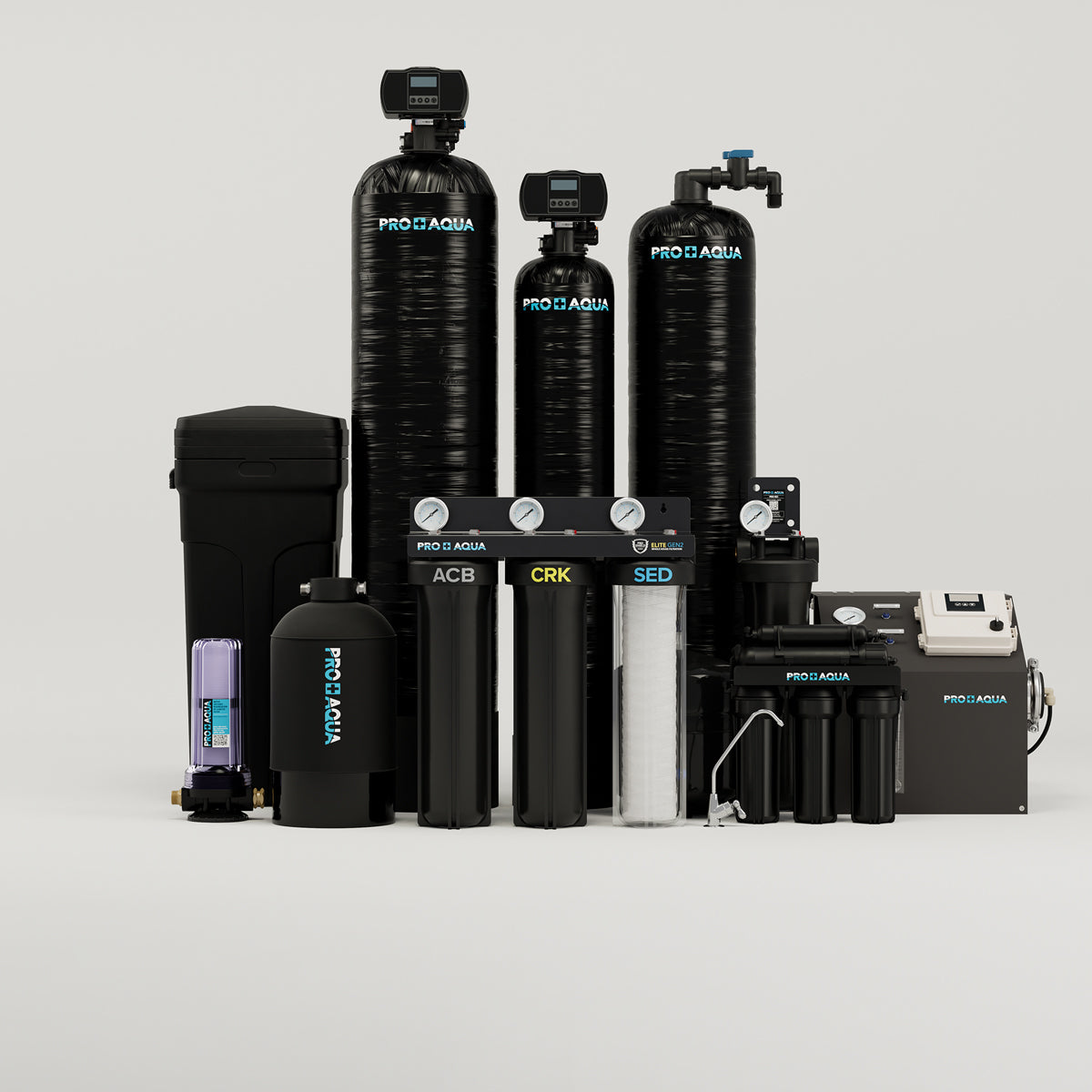
The broader lineup of filtration systems for wells only earns its keep once a test result narrows down what a specific well actually needs.
Start With a Water Test
A lab test checks for the contaminants most likely to turn up in private well water: sediment, iron, manganese, hardness minerals, sulfur, and bacteria.
Results can look completely different between two neighboring wells drawing from the same general area, since local soil composition and well depth both shape what ends up in the water.
Skip the test and filtration turns into guesswork. Plenty of homeowners install a basic sediment filter, only to find out months later that iron staining was the real problem all along, something a sediment cartridge alone was never going to fix.
The Big Three: Sediment, Iron, and Hardness
Most well water trouble falls into one of three buckets. Sediment shows up as cloudy or gritty water and wears down plumbing and appliances over time.
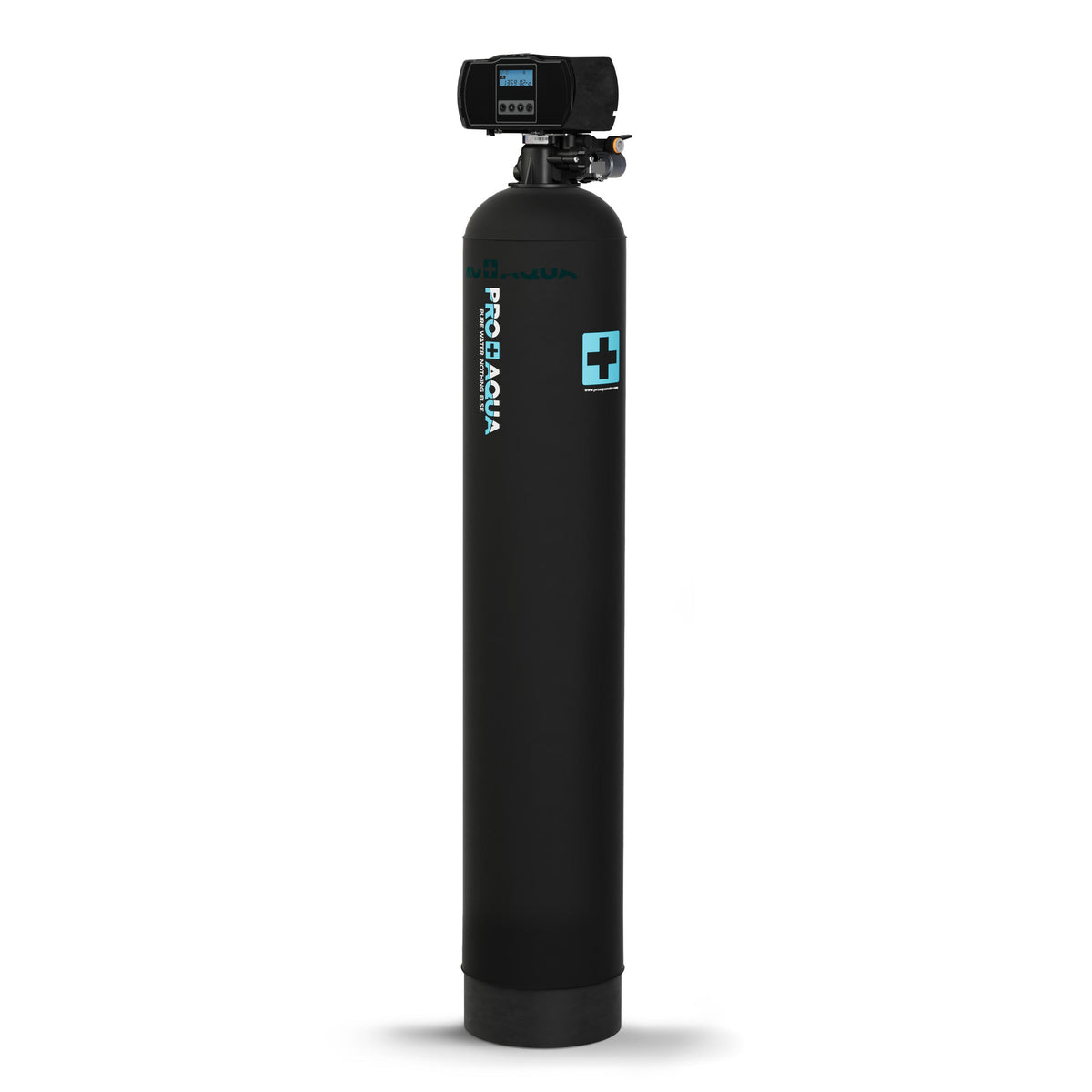
Iron leaves rust-colored staining on fixtures and laundry; once a test confirms it, a water well iron filter built with oxidizing media is usually the answer. Hardness, from calcium and magnesium, builds scale in pipes, water heaters, and dishwashers.
A well can have one of these problems, or all three at once. That's exactly why test results carry more weight than a guess about what a well "probably" has.
Point-of-Entry vs Point-of-Use Filtration
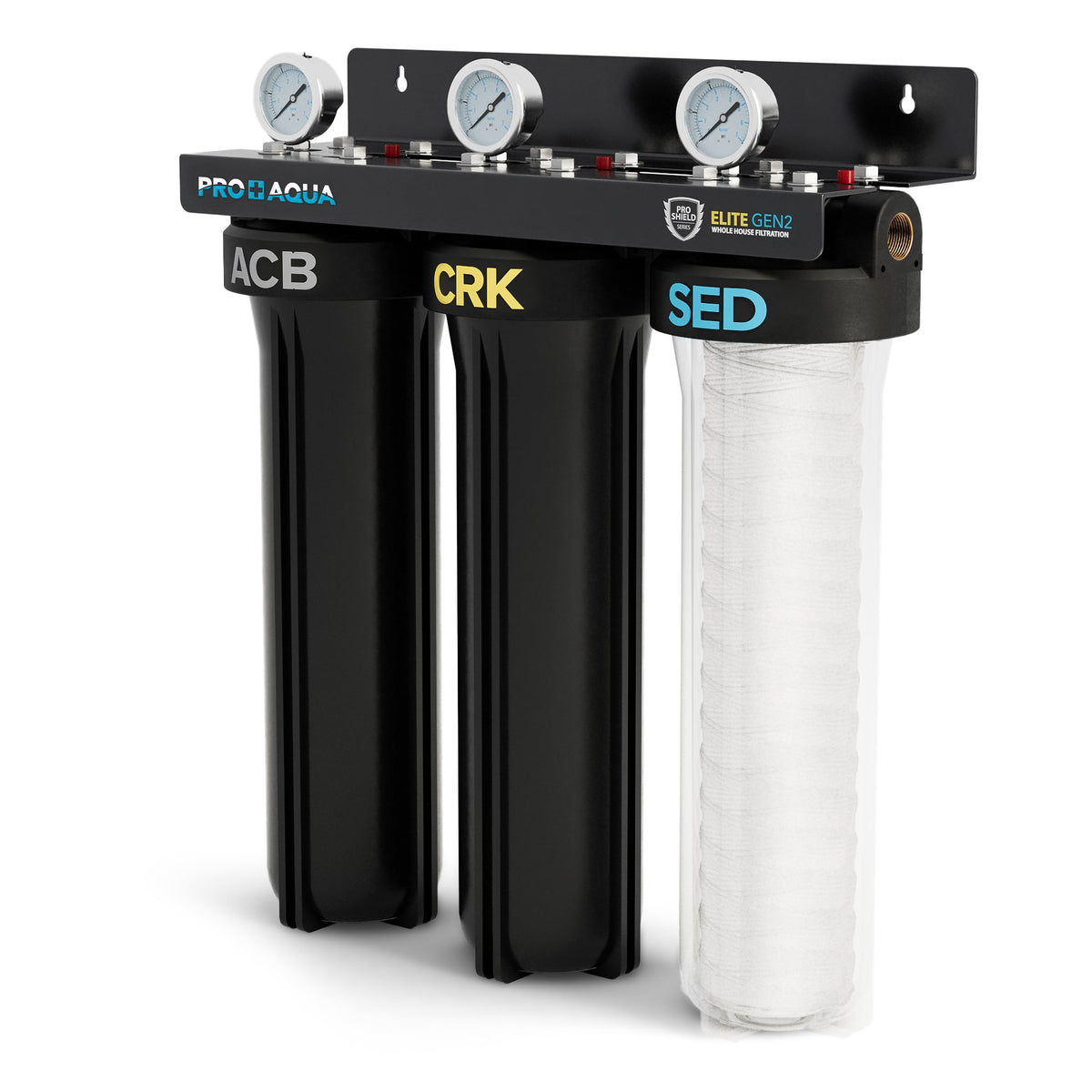
Filtration splits into two broad categories: whole-house systems installed where water enters the home, treating everything from showers to laundry, and point-of-use systems installed at a single tap, usually the kitchen sink, for drinking and cooking water specifically.
Most well owners end up needing both. A whole-house setup handles sediment, iron, and hardness across the entire home, and a point-of-use system adds one more layer of treatment right at the tap where water actually gets consumed.
Adding Reverse Osmosis (RO) for Drinking Water
For the cleanest drinking water a home can realistically get, an RO water filtering system adds a membrane fine enough to block dissolved salts, heavy metals, and contaminants that whole-house filtration alone tends to miss.
It's usually installed under the kitchen sink, working alongside whole-house treatment rather than standing in for it.
Reading up on the basics of water quality makes it clearer why a layered approach beats relying on one filter to catch everything. Each stage is built for specific contaminants, and stacking them together simply covers more ground than any single filter ever could.
Why the Order of Operations Matters
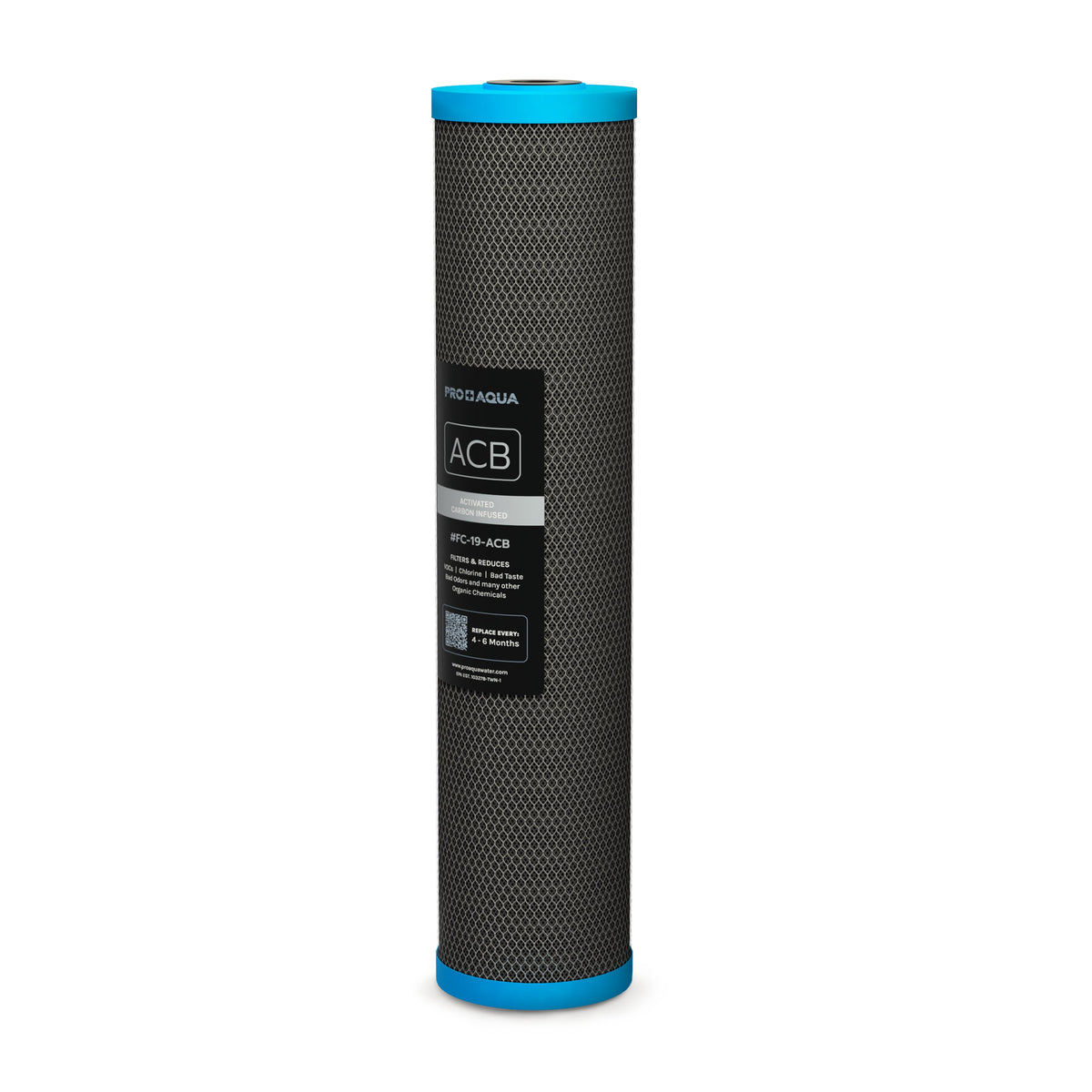
Sediment filtration needs to come first in any multi-stage setup. Unfiltered particles clog and shorten the life of iron media, carbon filters, and RO membranes further down the line.
Iron and hardness treatment usually follow, with reverse osmosis acting as the final polish for drinking water specifically.
Install the stages out of order, or skip sediment filtration to save a little money upfront, and every stage after it pays the price in a shorter lifespan.
What Skipping Filtration Actually Costs
Leaving well water untreated isn't just a matter of living with occasional staining or an off taste. Sediment left unfiltered wears down water heaters and washing machine parts years ahead of schedule.
Iron buildup narrows pipes bit by bit, cutting water pressure long before most homeowners can pin down a cause.
Hardness left untreated coats every appliance that touches water, from coffee makers to dishwashers, in scale, shortening their working life and pushing energy use up along the way.
None of this shows up right away, which is exactly what makes it easy to overlook until a repair bill or a dead appliance forces the issue. PRO+AQUA builds filtration to head off that slow accumulation of damage instead of waiting for it to turn into a bigger, more expensive issue.
Contact us today if you'd like to talk through what your well water actually needs before deciding on equipment.

Leave a comment
This site is protected by hCaptcha and the hCaptcha Privacy Policy and Terms of Service apply.