


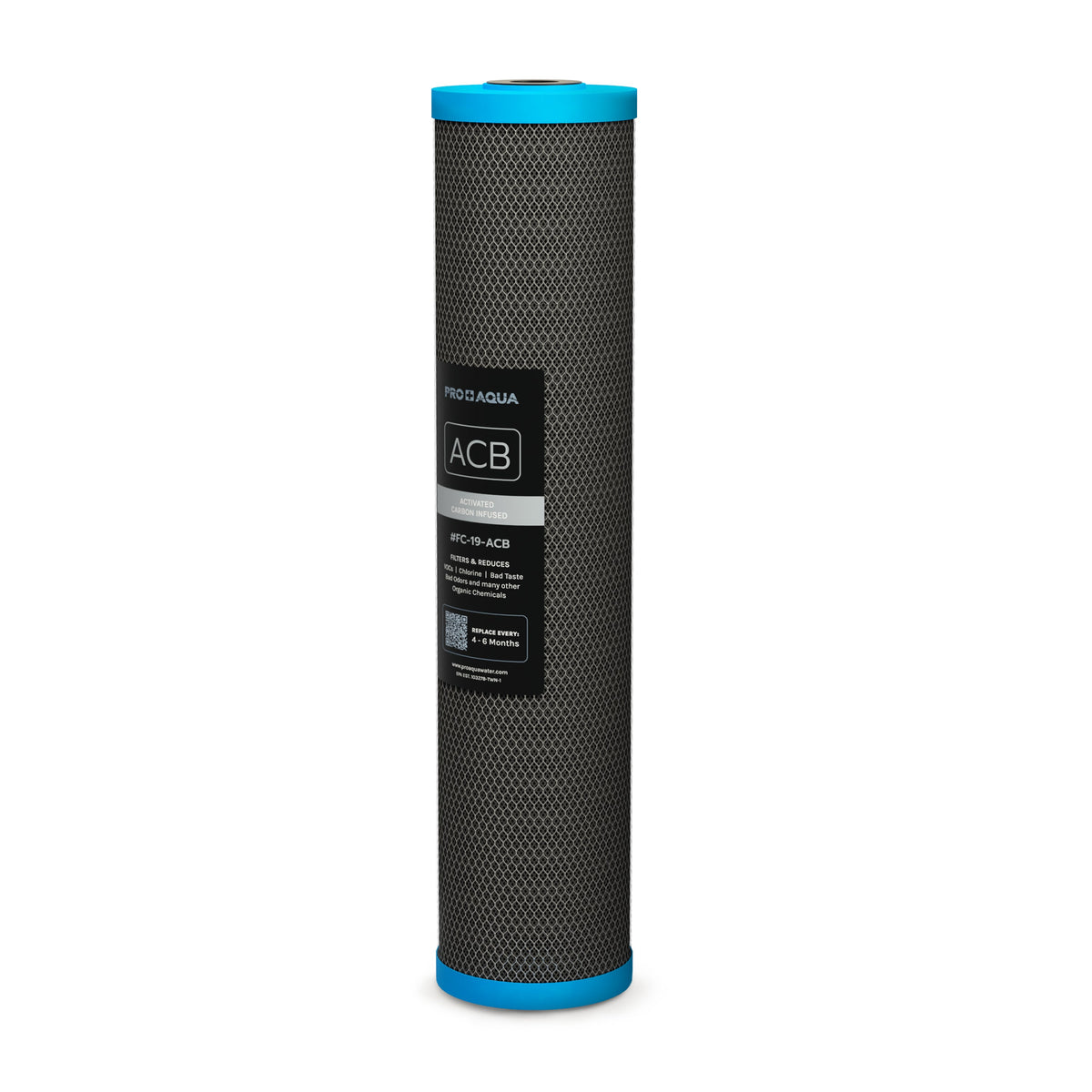
A sediment filter for well water protects the plumbing by catching material before it travels through the house. Sand, silt, rust particles, and other debris can make their way from a private well into faucets, appliances, water heaters, and other equipment.
The tricky part is choosing a filter that matches the well. A filter that is too fine may plug up quickly. One that is too small can restrict water flow. A filter that isn't designed for the type of contamination present may simply leave part of the problem untouched.
That's why it helps to look beyond one filter and consider the wider range of filtration systems for wells. Sediment may be the only problem, or it may be one piece of a much larger well water treatment issue.
Why Sediment Filters Matter for Well Water
A private well doesn't have a municipal treatment plant standing between the aquifer and your kitchen faucet. If the groundwater carries fine sand or clay, that material can come along for the ride.
Rust and other particles can enter the water as well, depending on the well construction and plumbing.
You may notice the problem right away. Water can look cloudy after a pump cycle. Fine grit may settle in the bottom of a glass. A faucet aerator may need cleaning more often than it should.
Some of the damage is less obvious. Sediment can collect inside plumbing components and water-using appliances. Over time, that buildup can contribute to clogged fixtures and premature wear.
Water heaters, washing machines, dishwashers, and other equipment can all be affected.
Putting a sediment filter near the point where water enters the house gives those particles somewhere to stop. The rest of the plumbing gets cleaner water, and equipment farther along the line doesn't have to deal with the same amount of debris.
That protection becomes even more useful when a home has additional treatment equipment. A softener, carbon filter, or reverse osmosis system can work more effectively when it isn't receiving a constant supply of sediment from the well.
Signs Your Well Water Needs a Sediment Filter
You may already have plenty of evidence that sediment is getting into the house.
Cloudy water is an obvious place to start. So is grit that settles in a glass after the water has been sitting for a few minutes. If you find sand around faucet screens or inside appliance filters, that's another clue.
A change in water pressure can be worth investigating, too. If pressure was fine when the system was new but gradually declined, sediment could be restricting flow somewhere in the plumbing or filtration equipment.
Pay attention to how quickly filters become dirty. A cartridge that turns brown or gray shortly after installation is telling you something about the water entering the house.
Not every stain, however, is a sediment problem. Orange or brown marks around sinks and tubs often point toward iron. The same applies to laundry that comes out with rusty-looking discoloration.
That distinction is important. A sediment filter can remove particles of iron, but dissolved iron requires a treatment system designed for that particular contaminant.
Iron and Odor: When Sediment Filtration Isn't Enough
Sediment and dissolved contaminants behave differently in water. A sediment filter is good at catching material that is physically suspended in the water. It isn't designed to pull dissolved iron out of the water or get rid of sulfur-related odors.
Iron can leave orange or brown stains on fixtures and clothing. Some homeowners also notice a metallic taste. Sulfur can produce the familiar rotten-egg smell that makes otherwise clear water unpleasant to use.
If those problems show up along with sediment, installing a finer sediment cartridge isn't going to solve everything.
A well water iron filter: whole house system is designed for a situation like this. The system handles sediment while also addressing dissolved iron, giving the homeowner more than particle filtration alone.
That can make more sense than piecing together separate equipment when iron is already confirmed by testing. One coordinated system can take care of several related water problems without filling the mechanical room with equipment that each handles only one task.
Choosing Between Single-Stage and Multi-Stage Systems
Not every well needs a complicated filtration setup.
If the water test shows a modest amount of sediment and no significant problems with iron, sulfur, hardness, or other contaminants, a single-stage filter may be plenty. There's little benefit in installing several treatment stages when the water doesn't call for them.
A more complicated well is a different story. Sediment may be accompanied by unpleasant taste, iron, or other water quality concerns. In that case, separate stages can each handle a particular part of the treatment process.
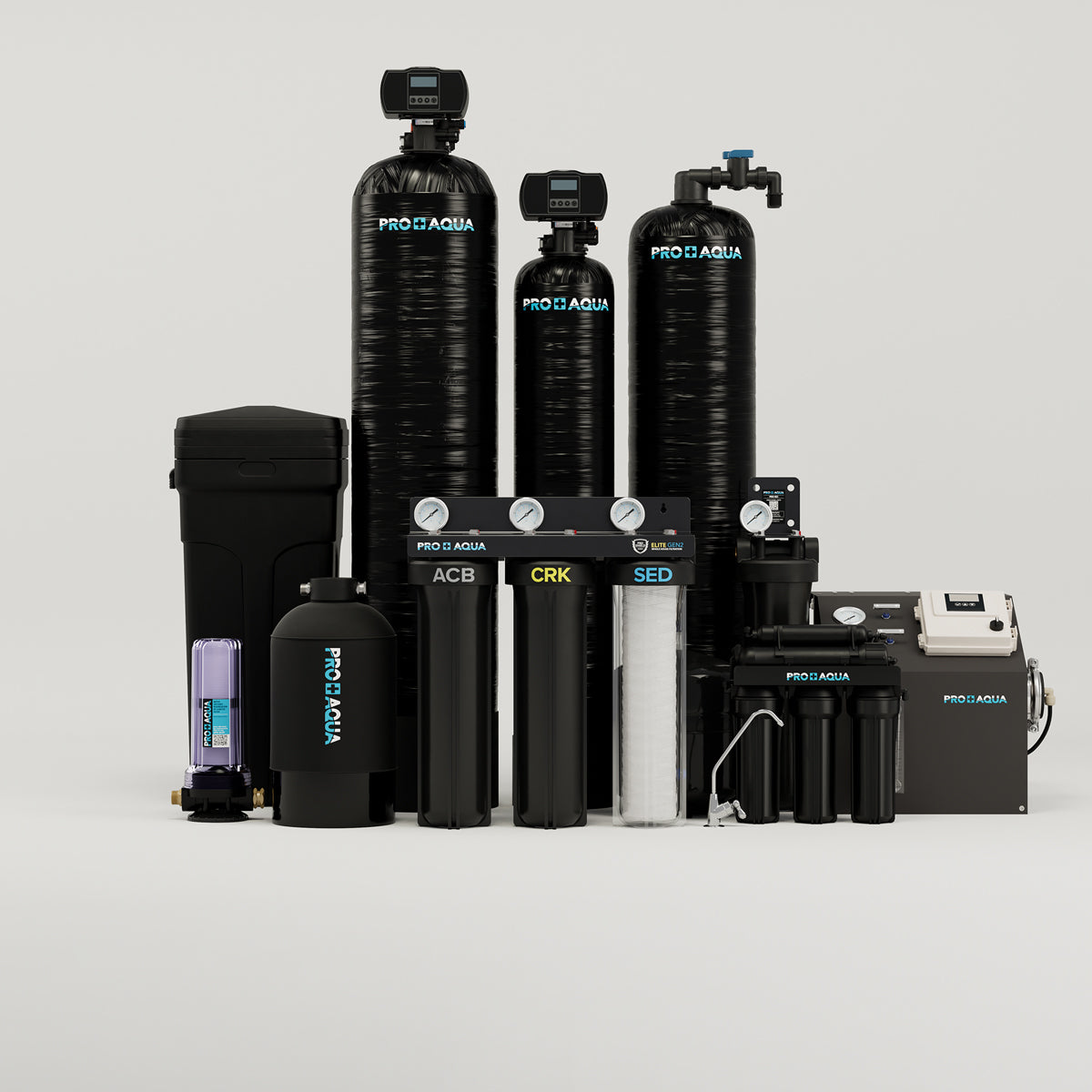
The well water filter system: 3-stage whole house is built around that approach. Sediment removal is combined with carbon filtration and another treatment stage, giving the homeowner broader whole-house filtration in one system.
Some wells have an even longer list of problems. Sediment, iron, sulfur odor, and hard water can all occur in the same household. The well water iron/odor filtration: three system bundle and 3-stage filter brings filtration and water softening together for that type of application.
People often search online for the best whole house water filter for well water or the best iron filter for well water. Those searches can produce plenty of options, but they can't tell you what your particular well needs.
Water test results can change the answer completely. A relatively simple well may need only sediment filtration. Another may need iron treatment, carbon filtration, softening, or several stages working together.
Cost deserves consideration, but it shouldn't be the only comparison. A cheaper filter that clogs constantly can become expensive over time.
A system that isn't designed for fine clay or high iron may also leave you replacing equipment without ever getting the water quality you wanted.
Getting the Setup Right the First Time
We've seen plenty of well water systems where the problem wasn't the quality of the filter. The problem was that the filter wasn't a good match for the well.
A homeowner may buy a cartridge based on a recommendation, install it, and find that the water looks better for a short time. Then the cartridge loads with sediment and water pressure starts dropping. Before long, another replacement is needed.
The same thing can happen when iron is mistaken for ordinary sediment. A homeowner may keep changing sediment cartridges while orange stains continue to appear on the fixtures and laundry.
The water itself tells you much more than a product listing does.
At PRO+AQUA, we look at those water conditions when determining which type of system makes sense. For some homes, that means keeping things simple with a single-stage sediment filter.
Other wells call for three-stage filtration or a combination system that also takes care of iron, sulfur, and hardness.
Getting the system right at the beginning can save both money and aggravation later. An inexpensive filter isn't much of a bargain if it has to be replaced constantly or can't handle the conditions coming from the well.
If you're unsure which setup fits your water, touch base with us. We can help narrow down the choices based on what your well is actually producing.


Leave a comment
This site is protected by hCaptcha and the hCaptcha Privacy Policy and Terms of Service apply.