


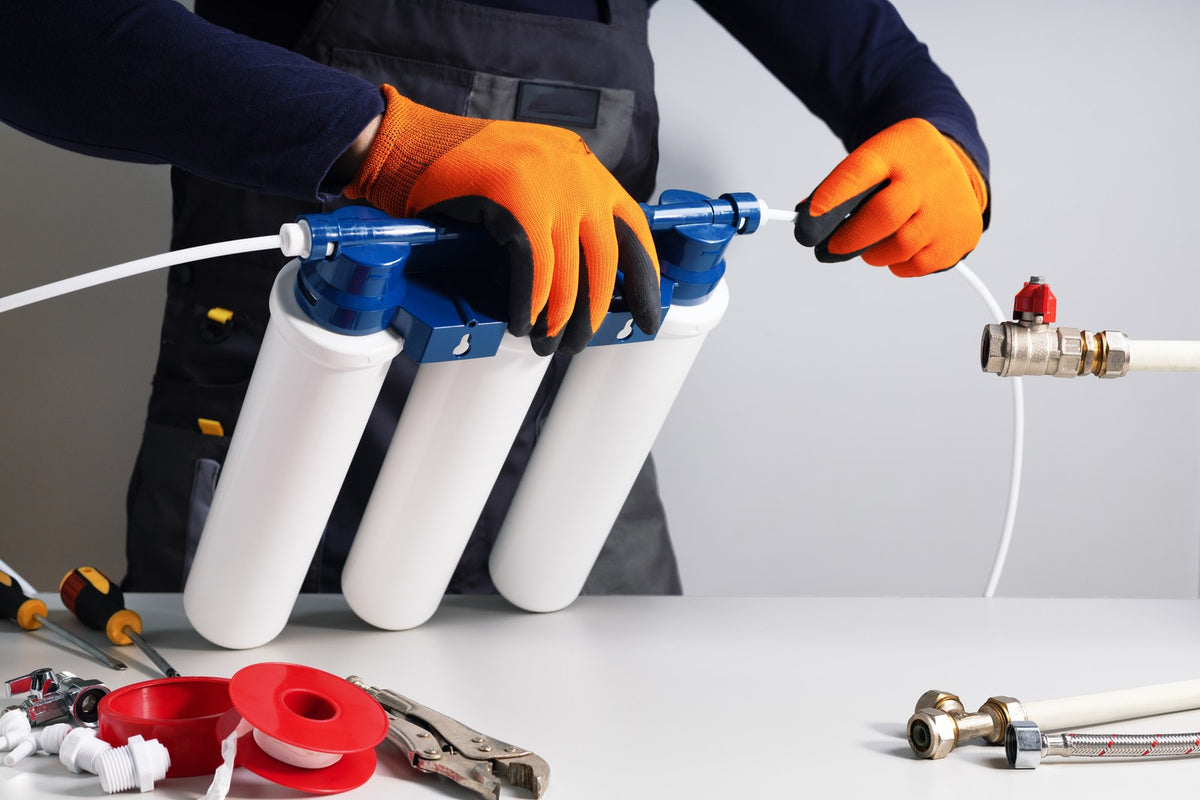
Homeowners spend hours comparing grain capacity, flow rate, and price before choosing a water softener, then give almost no thought to where the unit will sit once it arrives. When it's time to install water softener systems, many people assume any open corner in the basement or garage will work, only to run into drainage problems, temperature swings, or a spot too cramped for salt bags a few months in.
Getting placement right from day one avoids these headaches and keeps your system running the way it should for years.
Why Placement Affects Performance
A softener needs a few basic conditions in place to work as intended, and location plays a direct role in getting there. The unit connects to your main water line as close to the point of entry as possible, so treated water reaches every fixture in the house instead of just a portion of it.
It also needs a nearby drain, either a floor drain, standpipe, or utility sink, since the brine tank flushes wastewater during each regeneration cycle. Temperature plays a role too. Extreme cold can freeze internal components, while excessive heat near a furnace or water heater can degrade seals and electronic parts faster than normal. A poorly chosen spot doesn't just create inconvenience, it can shorten the system's working life and even affect warranty coverage if freezing or environmental damage is involved.
Best Locations for Most Homes
For most households, a few spots consistently work better than others.
- Basement, near the main water line entry point, offers easy drain access and stable temperatures year-round
- Garage, provided it stays insulated and doesn't drop below freezing during winter months
- Utility room or laundry area, especially in homes without a basement, since these rooms typically already have a floor drain nearby
- Crawl space, though this works best only when access for maintenance and salt refills stays reasonably easy
Avoid placing a unit in an uninsulated outdoor shed or exposed exterior wall, since temperature swings in these spots cause more problems than the convenience is worth.
What to Avoid When Choosing a Spot
A few common placement mistakes trip up even careful homeowners. Installing too far from the main line means running extra plumbing, adding cost and potential leak points along the way. Skipping proximity to a drain forces awkward workarounds, like running a hose across a room during every regeneration cycle.
Tight spaces without room to lift a salt bag or reach the control valve turn routine maintenance into a frustrating chore. Direct sunlight exposure, common in some garage setups, can also degrade plastic components over time, so a shaded or indoor spot generally holds up better long-term.
Space and Clearance Requirements
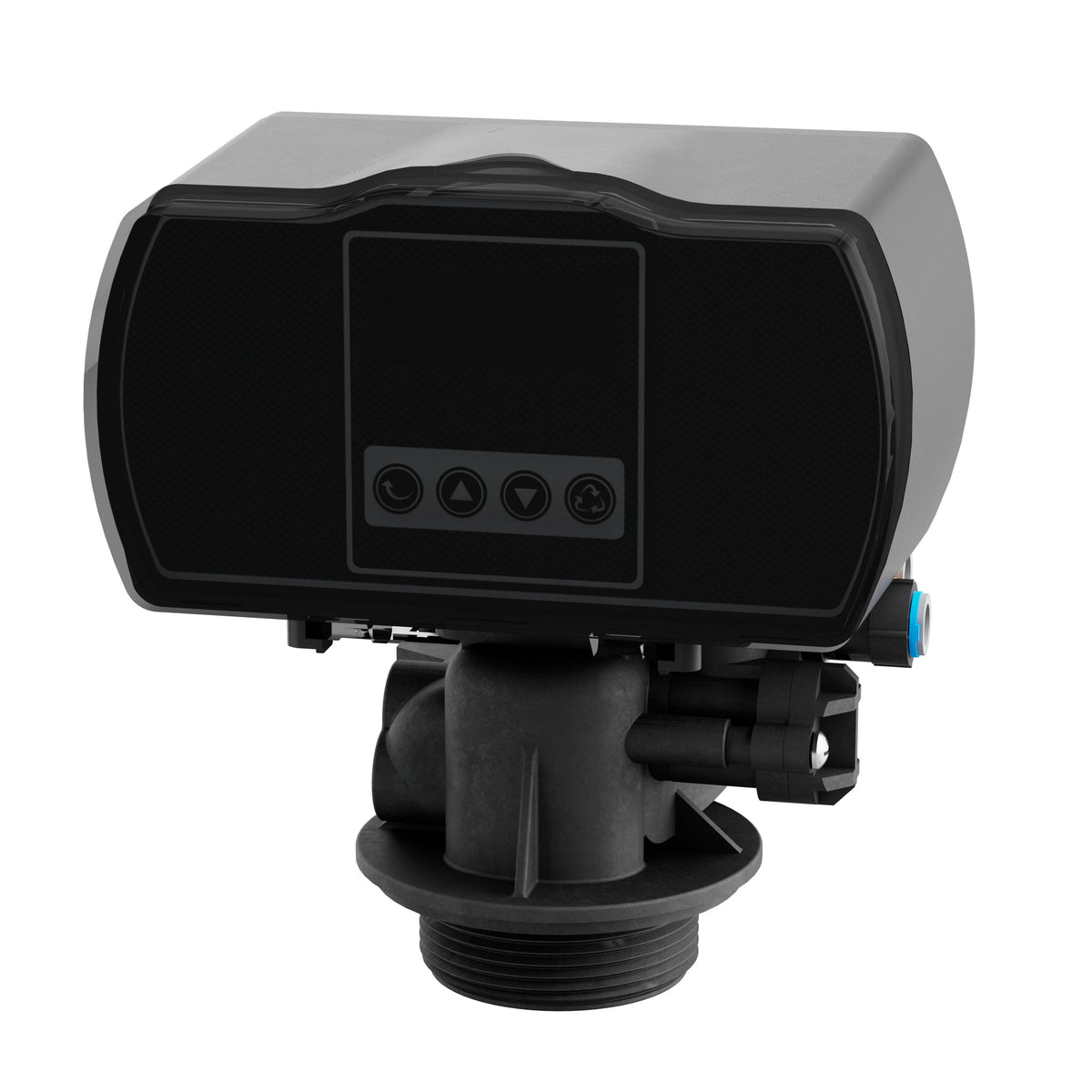
Beyond the basic connections, give the unit enough physical room to function properly. Most systems need at least a few inches of clearance on each side for airflow and to keep the top of the control valve accessible for programming and troubleshooting.
Factor in enough headroom above the unit too, since the top-mounted valve sometimes needs slight lifting or turning during service. If salt bags need to be carried in and poured regularly, a spot without a clear walking path or steps to navigate makes that chore harder than it needs to be, especially for larger bag sizes tied to bigger grain capacities.
Choosing the Best Home Water Softener for Your Space
Placement decisions also tie back to which unit fits your situation. A compact model works well in tighter utility closets, while larger tanks tied to higher grain capacities need more floor space and clearance.
If you're shopping for the best home water softener for a smaller property, checking footprint dimensions alongside grain capacity prevents a sizing surprise once the unit arrives. Homes with limited indoor space sometimes lean toward salt-free conditioners, which skip the brine tank and reduce the total footprint needed for installation.
Finding Top-Rated Water Softener Systems That Fit Your Home
Not every system suits every layout, so comparing footprint and connection requirements counts just as much as comparing performance specs. Top-rated water softener systems typically include clear installation guides covering exact clearance needs, drain requirements, and recommended placement, which helps avoid guesswork before the unit even arrives.
Reading through these specs ahead of time, rather than after delivery, makes the entire installation process smoother and lowers the chance of a last-minute placement scramble.
Get Placement Guidance and Reliable Systems from Pro+Aqua
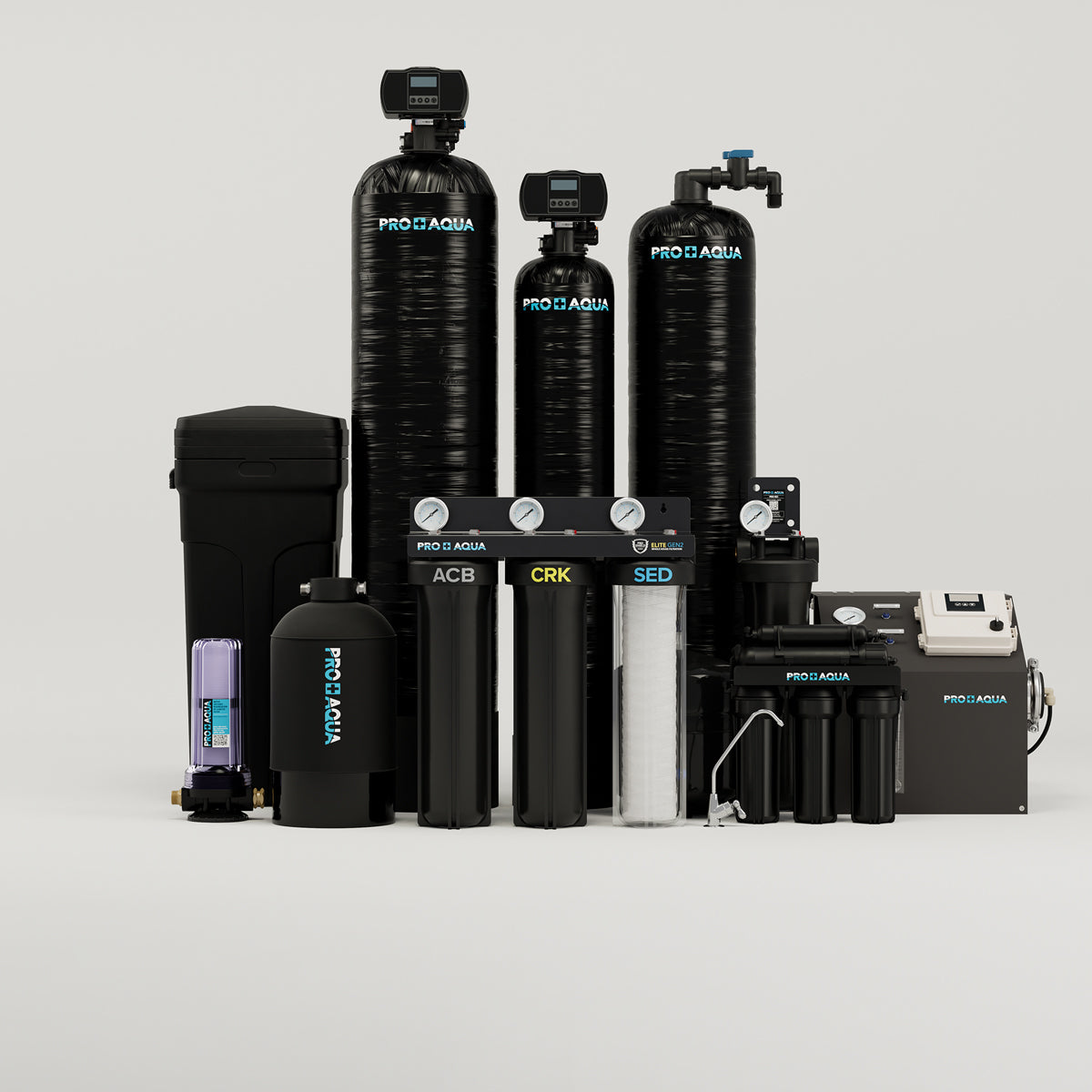
At Pro+Aqua, our installation guides walk through exact clearance, drain, and connection requirements for every model, so you know before you buy if a system fits your available space. Our lineup spans compact salt-free conditioners to larger grain-capacity tanks, giving you options that match both your water needs and your home's layout.
Every unit ships with the fittings and flex lines needed for a standard setup, and our support team is ready to help if your space raises questions before installation day. Ready to find the right system for the right spot in your home? Browse our Pro+Soft lineup and get started.

Leave a comment
This site is protected by hCaptcha and the hCaptcha Privacy Policy and Terms of Service apply.