

A bacteria filter for well water isn't a single product so much as a combination of testing, disinfection, and, in a lot of cases, a final polishing stage for drinking water.
Bacteria contamination behaves nothing like sediment or iron: it's biological, it can appear or disappear between tests depending on rainfall and groundwater conditions, and it requires disinfection rather than simple physical filtration to remove reliably.
Before narrowing down a specific approach, it's worth knowing where bacteria treatment fits within the broader category of filtration systems for wells, since it rarely gets taken care of in isolation.
Why Bacteria Requires a Different Approach Than Sediment or Iron
Sediment filters trap particles. Carbon filters absorb chemicals and odor. Neither one is built to kill or remove living organisms, which means a well with confirmed bacteria needs a different type of treatment layered into the system.
Total coliform and E. coli are the two markers most well water tests check for. Their presence usually points to surface water intrusion, a compromised well cap, or nearby contamination sources like septic systems or livestock.
A well that tested clean last year can still test positive after heavy rain or flooding, which is part of why bacteria testing isn't a one-time checkbox the way a mineral panel sometimes gets treated.
Testing: The Only Way to Know What You're Dealing With
There's no way to look at well water and know for certain if bacteria is present. Clear, good-tasting water can still test positive, and cloudy or odd-smelling water can test clean.
A certified lab test is the only reliable starting point, and most well owners are advised to test annually at minimum, with additional testing after any flooding, well repairs, or noticeable changes in taste or clarity.
Test results determine everything that follows. A positive coliform result with no E. coli points toward one treatment approach, while confirmed E. coli usually calls for a more immediate and thorough disinfection response.
Guessing at a solution without a test result risks under-treating a real contamination problem or over-investing in equipment a particular well doesn't actually need.
UV Disinfection and Where It Fits
Ultraviolet disinfection is the most common method used to treat bacteria in private well systems. Water passes through a chamber where UV light disrupts the DNA of bacteria and other microorganisms, neutralizing them without adding chemicals to the water.
It works best on water that's already been filtered for sediment, since cloudy or particle-heavy water can shield organisms from full UV exposure and reduce how effectively the light does its job.
This is another reason bacteria treatment rarely stands alone. A UV stage installed after sediment and carbon filtration, rather than before it, gets clearer water to work with and performs more consistently as a result.
Reverse Osmosis as an Added Barrier
Reverse osmosis (RO) membranes are fine enough to block a large share of bacteria and other microorganisms in addition to dissolved minerals and heavy metals, which makes RO a valuable added layer for drinking water specifically, even on a well already treated with UV disinfection.
It isn't a certified standalone disinfection method on its own, but paired with upstream treatment, it adds meaningful protection right at the point where water is actually consumed.
Our page on reverse osmosis basics covers how the membrane itself works in more depth, including what it removes and where it typically gets installed in a home.
Building a Full-Home Water Solution
Wells with bacteria present have other issues too, sometimes on the same test panel: sediment, iron, hardness, or odor. Rather than adding equipment piece by piece, a combined setup treats the full range at once.
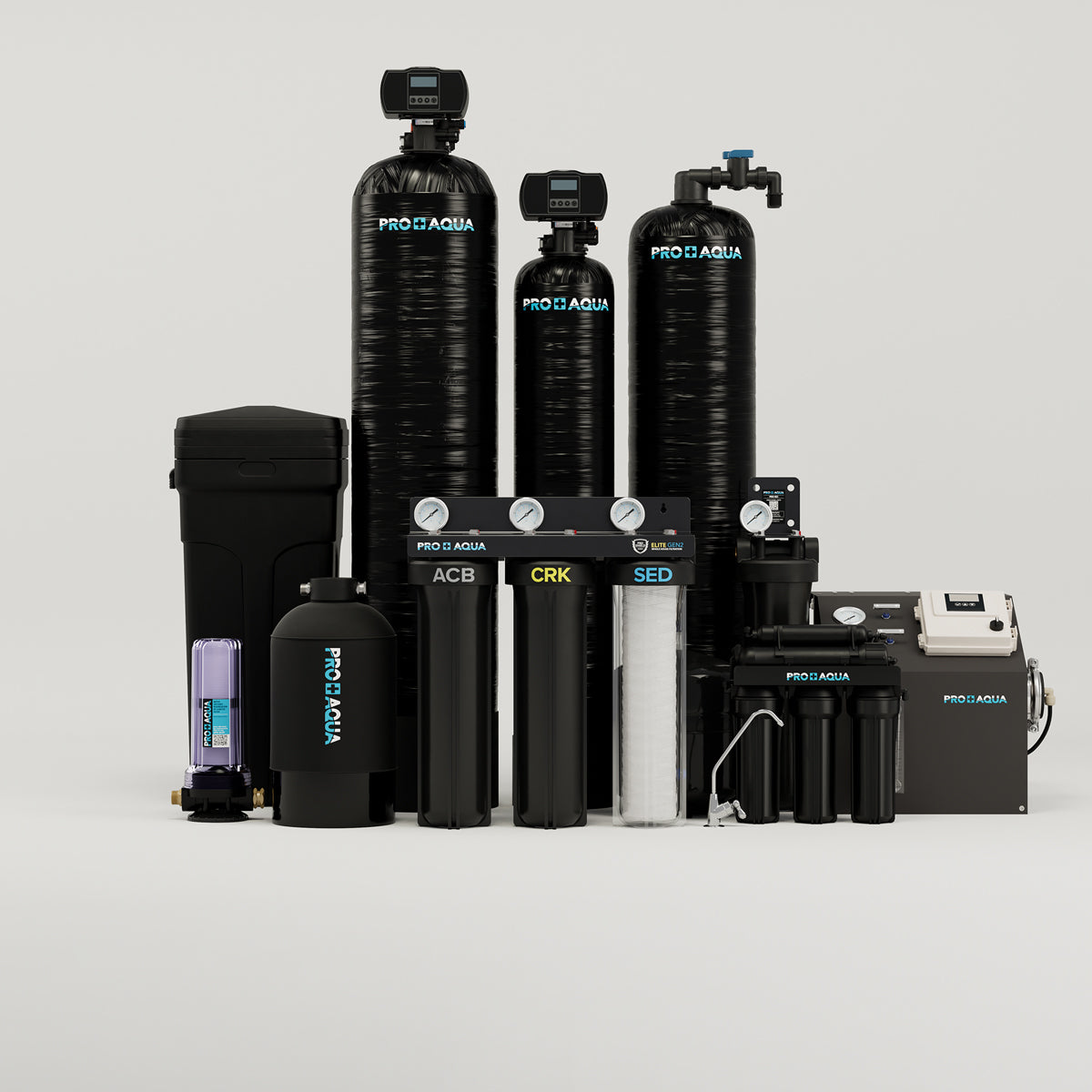
The well water four system bundle: iron/odor filtration, 3-stage filter, softener, and RO system covers this ground, layering filtration, softening, and reverse osmosis together.
This way, drinking water gets the added RO barrier while the rest of the home runs on properly filtered and softened supply.
This kind of setup is a practical example of a full water softener and filter system for well water, built around the idea that most wells need more than one type of treatment working together rather than a single filter solving every problem at once.
Bacteria Protection Away From Home
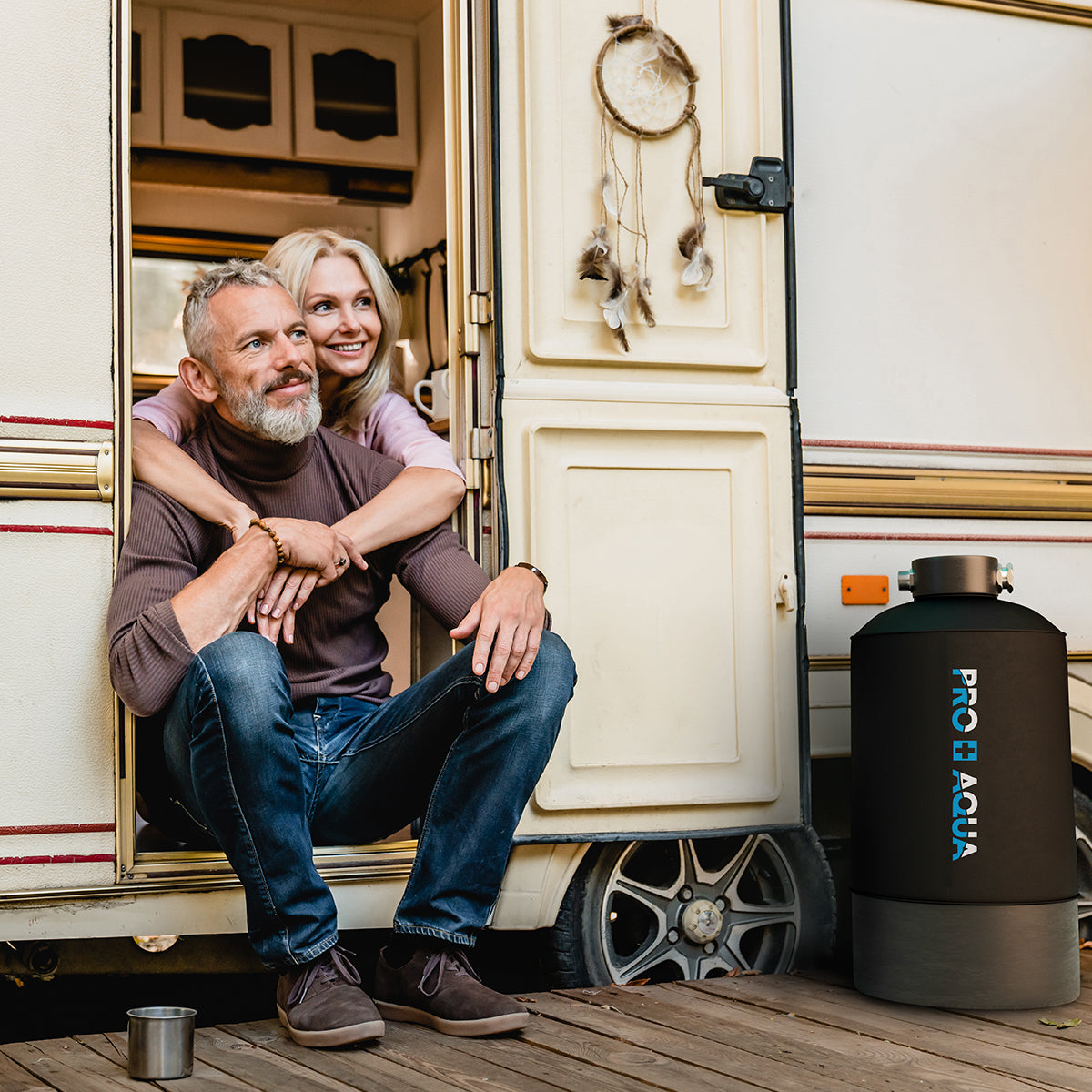
Bacteria risk isn't limited to a fixed well. Anyone filling tanks for an RV, boat, or camper from an unfamiliar source faces similar uncertainty about what's actually in the water.
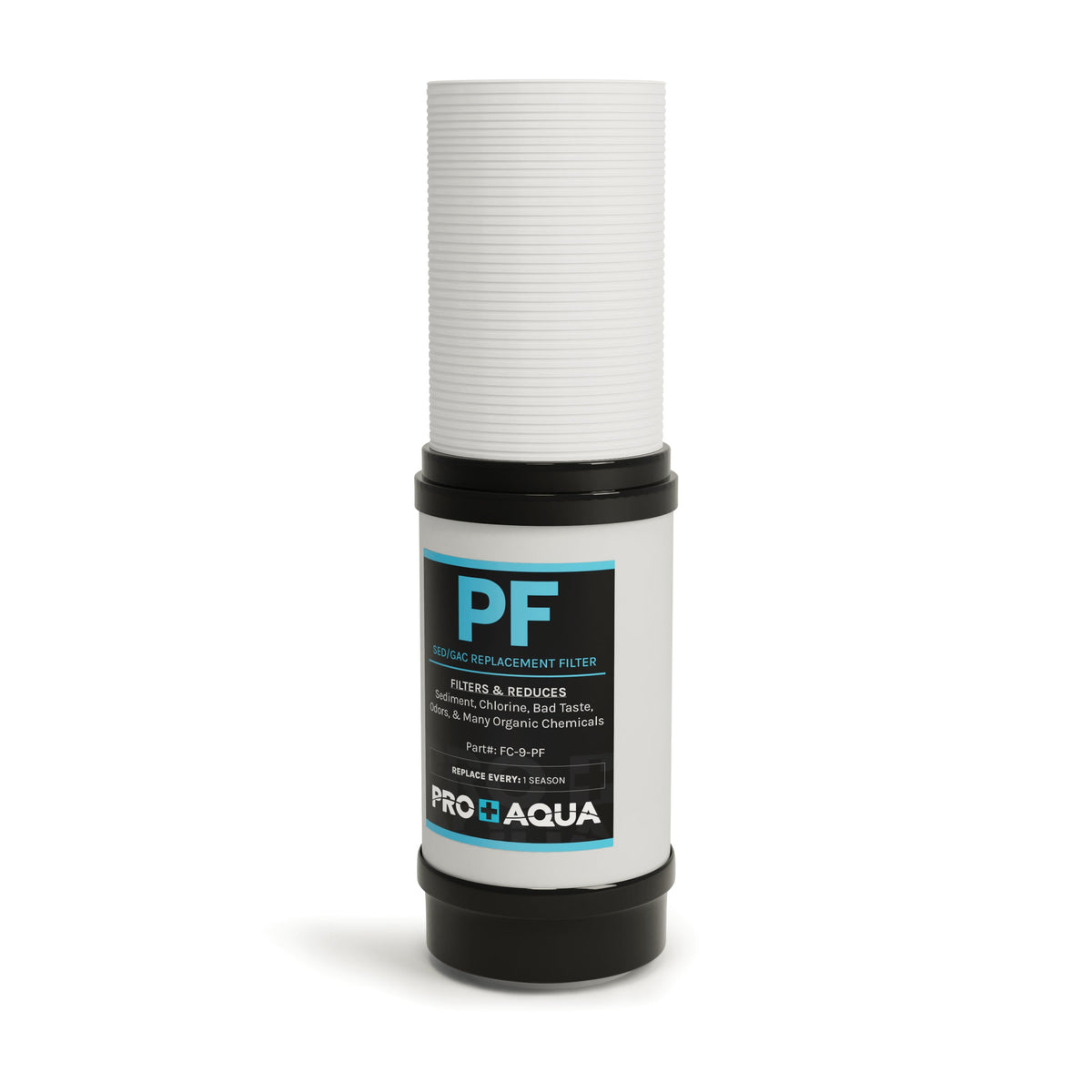
A portable water softener pre-filter regeneration kit handles sediment, taste, and odor in that setting, though water from an unknown or untested source should still be treated with caution regardless of what pre-filtration is in place.
Making a Clear Decision, Not a Guess
Bacteria contamination puts homeowners in a harder spot than most well water problems, since the risk isn't visible and the wrong call carries real consequences. That's exactly why we think the decision shouldn't come down to guesswork or a generic product pulled off a shelf.
A confirmed test result narrows the options down to what actually works for that specific well, and from there the choice between UV disinfection, an added RO barrier, or a combined system becomes a lot clearer.
We built our full-home bundles around this exact situation: wells that need more than one type of treatment, addressed together instead of piecemeal.
Once a test result is in hand, matching it to the right combination of equipment isn't a guessing game anymore, it's a straightforward decision based on what the water actually needs.
If you have questions about testing or treatment for your well, give us a call and we'll walk through the options with you.



Leave a comment
This site is protected by hCaptcha and the hCaptcha Privacy Policy and Terms of Service apply.