

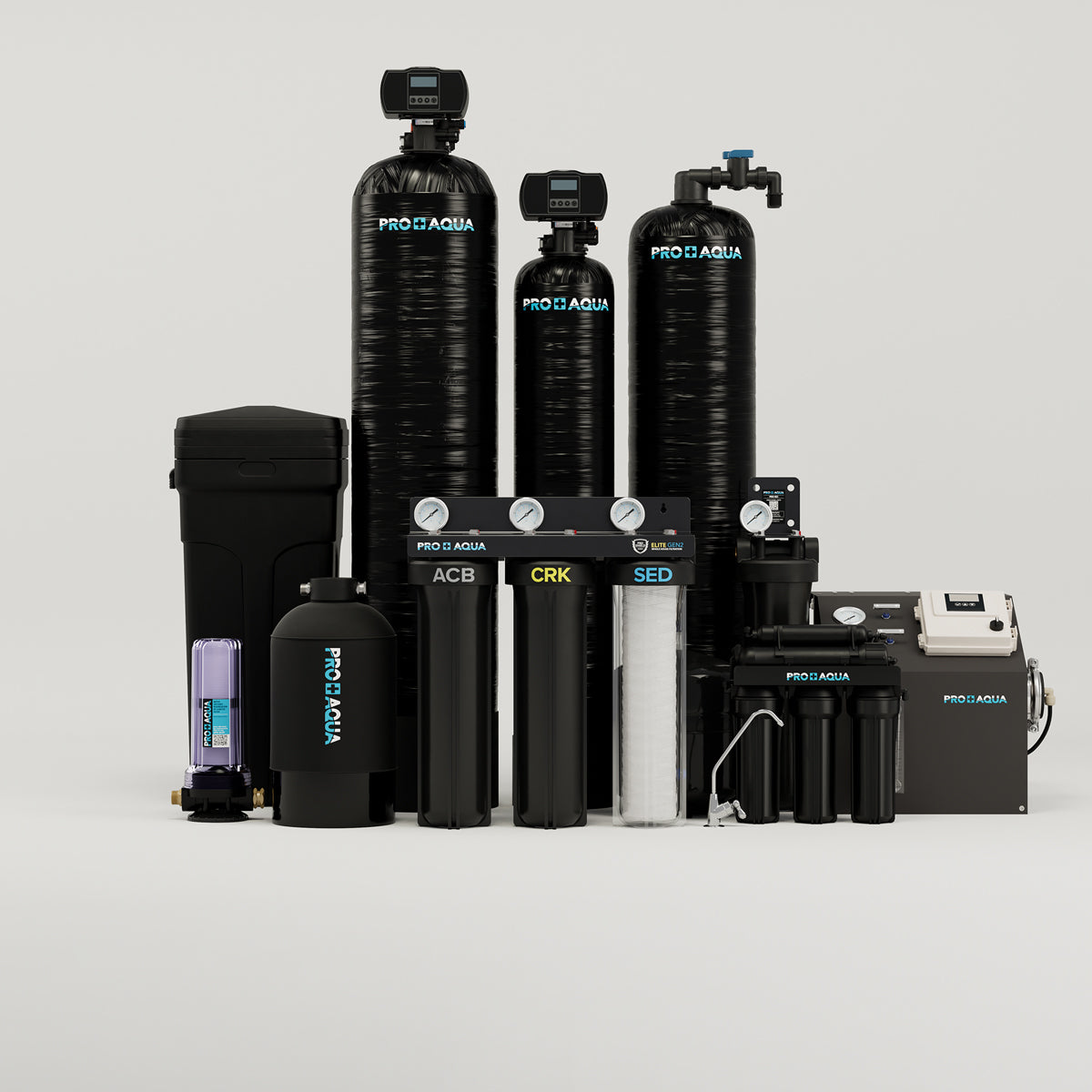


Do you need to filter well water? For the majority of private well owners, the honest answer is yes, though the specific type and extent of filtration systems for wells depends entirely on what a water test shows for that particular well.
Unlike municipal water, which passes through regulated treatment and testing before it ever reaches a home, well water goes straight from the ground to the tap with nothing standing between the aquifer and the kitchen sink.
Why This Question Comes First for New Well Owners
Homeowners moving from a municipal water connection to a private well often don't realize how much responsibility shifts onto them. City water systems handle testing, treatment, and regulatory compliance behind the scenes.
A private well has none of that built in, which means the homeowner becomes responsible for knowing what's actually in the water and deciding how to treat it.
This catches a lot of new well owners off guard, especially when the water looks clear and tastes fine at first.
Appearance and taste are unreliable indicators of what a well is actually producing, since contaminants like bacteria, dissolved iron, and manganese often show no obvious sign at the tap even when present at levels worth treating.
What Well Water Carries That Municipal Water Doesn't
Private wells draw directly from groundwater, picking up whatever the surrounding soil and rock formations contain.
Sediment, dissolved minerals like iron, manganese, and calcium, dissolved gases like sulfur, and occasionally bacteria from surface intrusion or nearby contamination sources can all show up in a well that a municipal system would have already screened out.
None of these arrive with a warning label. A well can look and taste completely normal while a lab test reveals iron levels high enough to eventually stain every fixture in the house, or bacteria present at a level worth immediate attention.
Signs Your Well Water Needs Treatment
Some signs point toward a treatment need before a formal test even confirms it.
Rust-colored staining on sinks, tubs, or laundry usually signals iron. A rotten egg smell points to sulfur. Cloudy water or grit in the bottom of a glass suggests sediment.
Soap that won't lather well, along with white scale on fixtures and appliances, typically points to hardness.
None of these signs are guaranteed indicators on their own, and a well showing none of them can still test positive for bacteria or other contaminants a homeowner would never notice without a lab result in hand.
When "No Visible Problem" Doesn't Mean No Problem
This is the part of the question homeowners tend to underestimate. A well with clear, good-tasting water isn't automatically a well without problems.
Bacteria contamination in particular produces no reliable taste or appearance change, and low-level iron or manganese can build up in pipes and appliances for years before staining becomes visible enough to notice.
Waiting for a visible sign before testing means treating a problem after it's already been affecting the plumbing and appliances for an extended stretch of time.
Annual testing catches these issues while they're still manageable, rather than after they've become a bigger and more expensive fix.
Matching Filtration to What You Actually Have
Once a test result is in hand, the filtration decision becomes much more specific than a general yes or no.
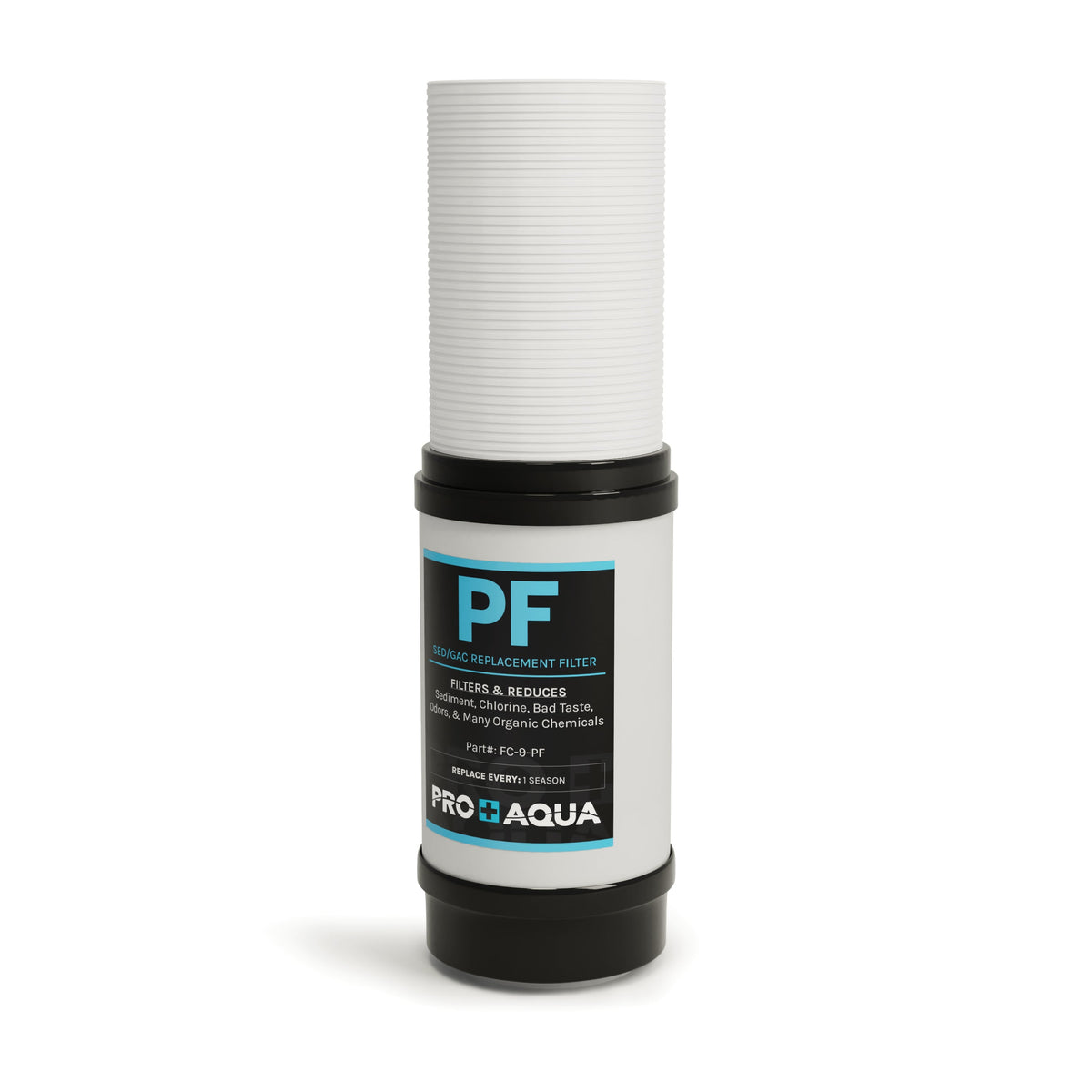
Sediment alone might only need a properly sized cartridge, and choosing the best micron filter for well water for that specific sediment load makes a real difference in how long the filter lasts before clogging.
Wells producing hardness alongside sediment or iron typically call for a combined water softener and filter system for well water, treating multiple problems in one setup rather than piecing together separate equipment over time.
The point isn't to install every type of filtration available. It's to match the system to what the test actually shows, nothing more and nothing less.
Making the Decision With Real Information
We know that, “why do you need to filter well water," feels like a harder question than it should be.
Without a lab result in hand, it's genuinely difficult to know whether a well needs light sediment filtration, a full combination system, or something in between.
Guessing in either direction wastes money: too little treatment leaves real problems untreated, while too much adds cost without solving anything extra.
That's why we always point homeowners toward testing first. Once those results are in hand, the filtration decision stops being a guess and becomes a straightforward match between what the well is producing and what treats it.
PRO+AQUA builds every recommendation around that clarity rather than a one-size answer that may or may not fit.
Contact us if you'd like guidance on testing your well or figuring out what your results actually mean.


Leave a comment
This site is protected by hCaptcha and the hCaptcha Privacy Policy and Terms of Service apply.